Whistleblowing is a legal process that carries significant personal and professional risks. It is often governed by national laws such as the Protected Disclosures Act (PDA) in South Africa and the Public Interest Disclosures Act (PIDA) in the United Kingdom. However, despite legal protections, the reality for whistleblowers, particularly in Africa, is often dire. One legal professional aptly stated, “People do not understand how life-ending whistleblowing is in Africa.”
Rather than discussing theoretical aspects of whistleblowing, this article explores practical lessons learned from working with whistleblowers for more than two and a half years. These insights shed light on the harsh realities of whistleblowing and the importance of legal preparedness, financial security, psychological resilience, and strategic foresight.
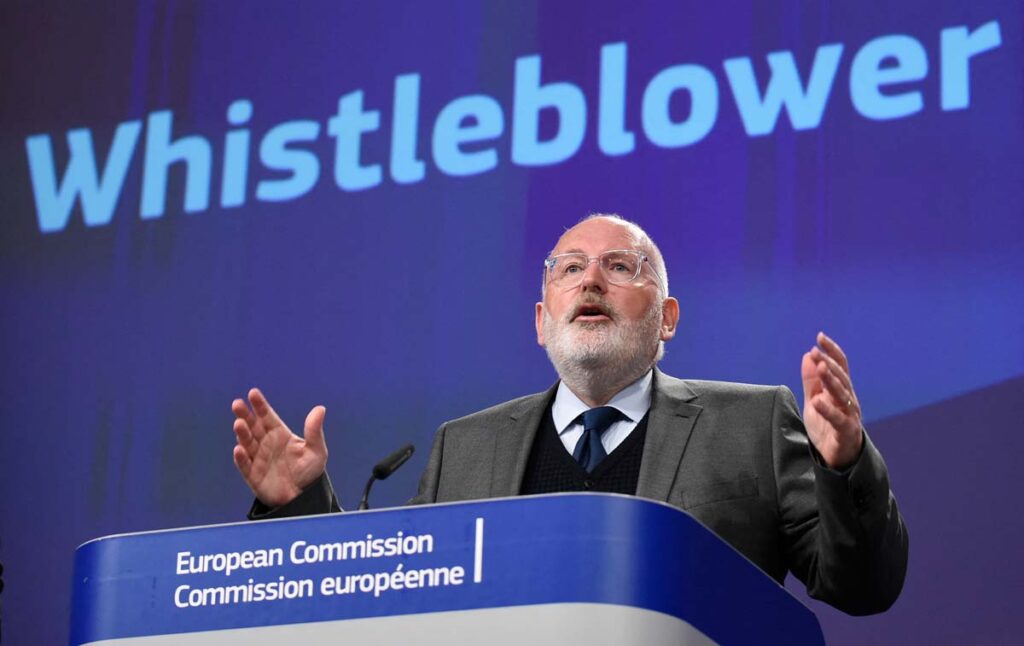
European Commission First Vice-President Frans Timmermans gives a press conference on the commission proposal for the protection of whistleblowers at the EU Headquarters in Brussels, in April 2018. Photo: John Thys / AFP
Lesson 1: Understanding the law and its limitations
Whistleblowing laws are designed to offer protection, but they are not always effectively implemented. Many African countries have ratified the United Nations Convention against Corruption (UNCAC), which in Article 33 refers to whistleblowers as “reporting persons” and encourages states to protect them.
However, even where domestic laws exist, competent authorities to enforce these protections may be lacking. This gap has led to grave mistakes, such as the exposure of whistleblowers’ identities, resulting in severe retaliation, including threats, job loss, and even assassination. A crucial lesson is knowing the law is not enough; one must also understand its limitations.
Additionally, legal protection is often contingent on following specific reporting channels. The Extrema Ratio interpretation of whistleblowing (Ceva & Bochiolla, 2019) dictates that it is only morally justified if all internal reporting mechanisms have failed. If a whistleblower fails to differentiate between legitimate disclosures and mere grievances, they may face legal consequences, even when acting in good faith.
Key takeaways:
• Research whistleblowing laws and organisational policies before making a disclosure.
• Understand how retaliation occurs and what legal remedies exist.
• Be strategic – not all disclosures qualify as protected disclosures under the law.

Kenyan whistleblower Nelson Amenya, who exposed secret talks for India’s Adani conglomerate to take over Kenya’s main airport, poses during a photo session in Paris in September 2024. Photo: Alain Jocard / AFP
Lesson 2: The psychological and social cost
Many whistleblowers believe their colleagues and organisations will support them. However, ostracisation is one of whistleblowing’s first and most painful consequences. Those who speak out often find themselves isolated, with colleagues unwilling to associate with them for fear of retaliation. Even when there is substantial evidence of wrongdoing, investigations move slowly. By the time any action is taken, the whistleblower’s identity is often exposed and their reputation irreversibly damaged.
In many cases, whistleblowers are portrayed as troublemakers rather than individuals acting in the public interest. Furthermore, in many African legal systems, there is no duty to keep whistleblowers informed, unlike in South Africa, where the PDA has made a provision for communicating the progress of cases. This lack of feedback drives some whistleblowers to follow up on their own, inadvertently revealing their identities and placing themselves in further danger.
Key takeaways:
• Do not rely on workplace support—expect isolation and prepare for it mentally.
• Recognise that investigations take time and there is no guarantee of protection.
• Avoid seeking updates that could expose your identity.
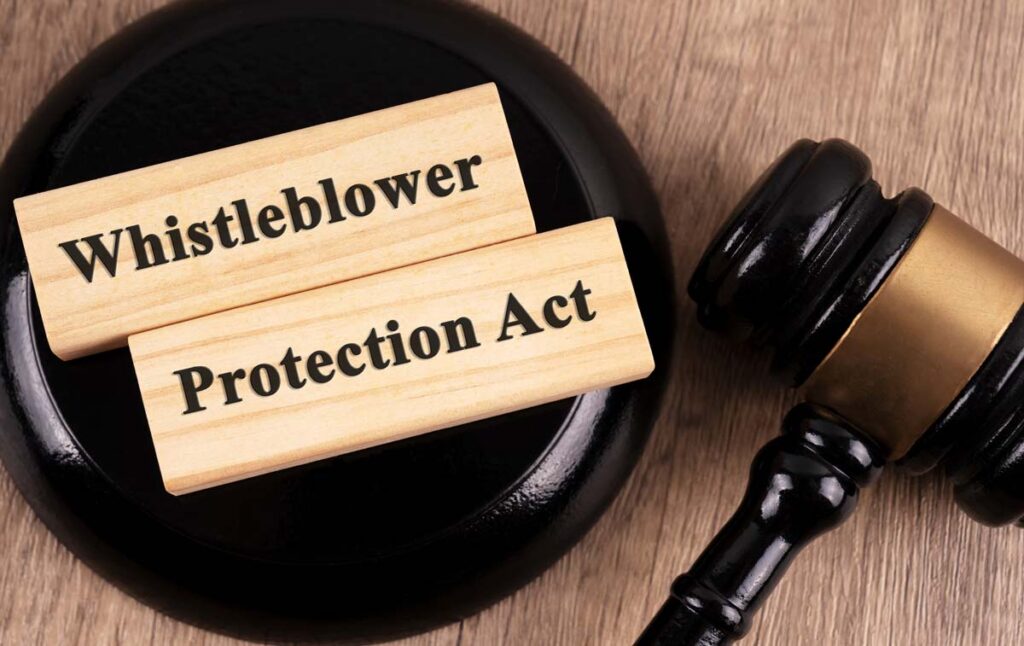
Photo: Nora Carol Photography / Getty Images
Lesson 3: Financial preparedness is critical
Whistleblowing is not only a legal battle but also a financial one. Whistleblowers frequently face suspension, dismissal, and legal costs. Seeking legal advice before making a disclosure incurs expenses, and defending against retaliatory lawsuits, such as defamation claims or breaches of confidentiality, can drain financial resources. Additionally, retaliation often extends beyond the workplace. Some whistleblowers find themselves subjected to civil claims or even criminal charges as a means of intimidation. Others lose their homes, cars, and the ability to support their families. The consequences can be devastating.
Key takeaways:
• Build an emergency fund with at least six months’ worth of living expenses before making a disclosure.
• Consider downsizing housing and expenses in anticipation of financial hardship.
• Seek financial counselling for yourself and your family to prepare for potential economic downturns.
Lesson 4: The emotional and physical toll
Whistleblowing is often a battle of endurance rather than a straightforward legal process. Many whistleblowers experience severe mental health issues, including anxiety, depression, and post-traumatic stress disorder. The fear of being followed, monitored, or harmed can lead to chronic stress, which manifests physically in ailments such as headaches, tremors, and other stress-induced conditions. Some turn to alcohol or other coping mechanisms to deal with the pressure. Others experience family breakdowns due to the stress and financial strain. Personal costs are often overlooked in legal discussions, but they remain one of the most profound aspects of the whistleblowing experience.
Key takeaways:
• Mental resilience is essential—consider therapy before and after making a disclosure.
• Recognise the emotional toll on your family and discuss coping strategies with loved ones.
• Seek peer support networks for emotional and psychological support.
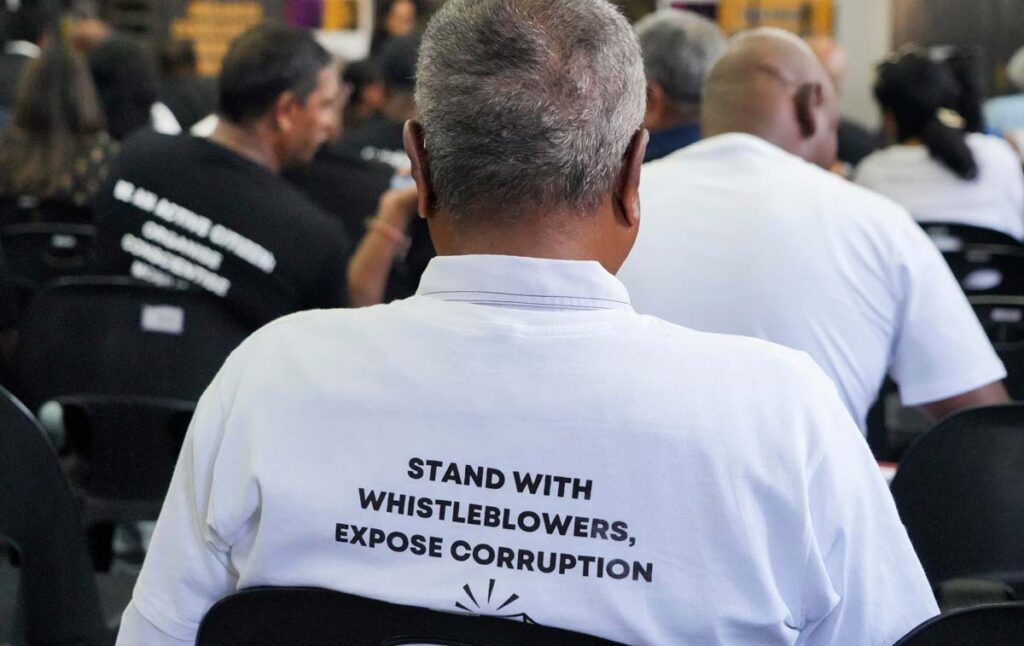
Photo: Eliah July/Gallo Images via Getty Images
Lesson 5: The multipronged nature of retaliation
Retaliation against whistleblowers takes various forms, ranging from criminal charges to civil claims and financial sabotage. Some of the most common retaliatory tactics include (Platform to Protect Whistleblowers in Africa, PPLAAF, 2023):
• Criminal charges—whistleblowers may face bogus criminal charges or revived allegations of past misconduct, such as fraud or money laundering.
• Defamation lawsuits—Employers or individuals implicated may sue whistleblowers for defamation or other claims, such as crimen injuria.
• Anton Piller orders—Courts may issue search and seizure orders, allowing the employer or government to inspect a whistleblower’s home and seize materials without notice.
• Claims for damages – employers may file civil suits for damages, alleging breaches of contractual obligations.
• Withholding pension funds—some whistleblowers find their pension benefits frozen pending legal proceedings.
Key takeaways:
• Be strategic—anticipate potential retaliatory actions and seek preemptive legal advice.
• Avoid social media disclosures, which may lead to defamation claims.
• Secure important documents and digital records before making a disclosure.
In conclusion, whistleblowing is a battlefield; when one fights corruption, corruption fights back hard. Whistleblowing is not merely about reporting wrongdoing; it is a high-risk legal and personal battle. Without proper preparation, a whistleblower may face financial ruin, emotional distress, social isolation, and even death threats. Effective whistleblowing must provide holistic protection, not just legal safeguards but also financial, psychological, and security support. Until such systems are universally in place, whistleblowing will remain a high-risk endeavour with potentially life-altering consequences. The following recommendations are not exhaustive, but anti-corruption fighters should consider the following before blowing the whistle:
• Educate yourself thoroughly on whistleblowing laws and organisational policies.
• Ensure financial security before making a disclosure.
• Prepare for mental and emotional challenges and seek professional support.
• Anticipate retaliation and plan accordingly.
• Proceed if the risks are understood and manageable.
Whistleblowing remains one of the most critical tools in fighting corruption and unethical behaviour. However, without effective support mechanisms, it can be dangerous.

Pusetso Morapedi
Pusetso Morapedi is the Africa Coordinator for Integrity Initiatives International. She previously served as Southern Africa Director at PPLAAF, which aims to defend whistleblowers and advocate for public interest disclosures. As co-founding Board Secretary of the Botswana Centre for Public Integrity, she supports Vision 2036 Pillar 4 and SDG 16.