
Corruption remains one of Africa’s greatest obstacles to sustainable development, eroding trust in public institutions, undermining the rule of law, and diverting resources meant for public benefit. According to Transparency International’s 2024 Corruption Perceptions Index (CPI), sub-Saharan Africa remains the lowest-scoring region, with an average score of 33 out of 100. While this average is unchanged from the previous year, the region’s highest-scoring country, Seychelles, achieved a score of 72, surpassing the highest score in 2023, which was 46. Other notable advances include Cabo Verde (62), Botswana (57), and Rwanda (57). Despite these improvements, most countries in the region continue to grapple with high levels of perceived public sector corruption.
These grim figures highlight how deeply entrenched corruption is across the continent and the devastating impact it has on economic growth and social equity. While international efforts like the proposed International Anti-Corruption Court (IACCourt) aim to address grand corruption, local engagement is vital to complement these top-down initiatives. Grassroots movements and civil society organisations (CSOs) are central to any efforts to fight corruption, as they mobilise communities, amplify marginalised voices, and hold governments accountable, especially in contexts where state institutions are compromised.
Doctoral research conducted in 2024 at the European Institute of Applied Science and Management, revealed that grassroots and civil society actors play a transformative role in fighting corruption across Africa. The study employed a qualitative approach, combining the analysis of seven global governance campaigns – the Global Plastic Treaty, the Bamako Convention, the Minamata Convention on Mercury, the Paris Agreement, the Malabo Protocol, the Pelindaba Treaty, and the Kampala Convention – with data collected through 40 semi-structured interviews and five focus groups.
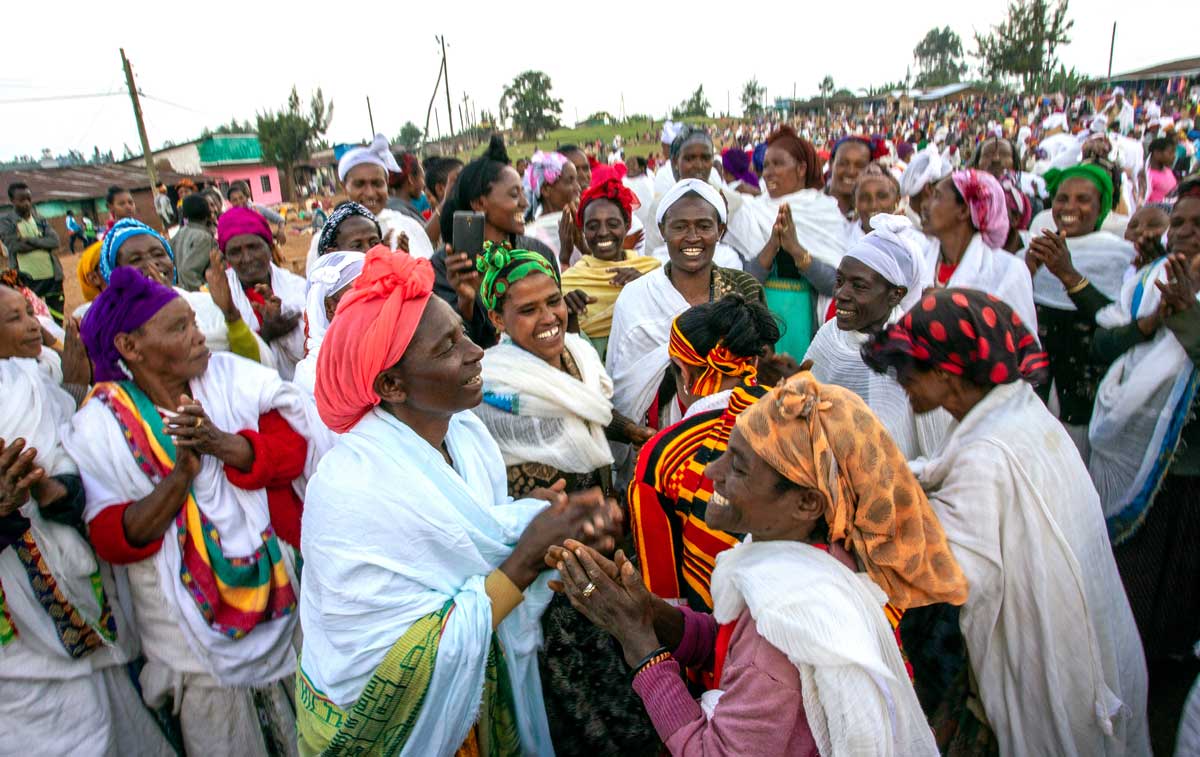
Photo: Andrew Woodley / Universal Images Group via Getty Images
Insights were gathered from participants across 11 African countries – the Democratic Republic of Congo, Ghana, Kenya, Lesotho, Nigeria, Rwanda, Senegal, Somalia, South Africa, Tanzania, and Uganda. Participants included social impact practitioners, policymakers, and anti-corruption stakeholders, whose experiences highlighted the critical importance of local actors in fostering accountability and transparency.
These participants emphasised that grassroots movements engage directly with communities, creating awareness, and fostering local ownership of anti-corruption initiatives. In Kenya, for instance, grassroots networks have used digital platforms to expose corruption and mobilise public action. A participant from Uganda shared how community-based organisations have successfully lobbied for local government reforms by documenting corruption and presenting evidence to national oversight bodies. These efforts demonstrate how grassroots initiatives can translate citizens’ lived experiences into actionable advocacy.
Civil society organisations like Good Governance Africa (GGA) support grassroots movements, often bridging the gap between local activism and national or international anti-corruption frameworks. Corruption Watch in South Africa is another example, combining high-profile investigations with grassroots education campaigns to build public awareness and trust. Similarly, Ghana Integrity Initiative (GII), the local chapter of Transparency International, works to empower communities through anti-corruption education while advocating for systemic reforms. A participant from Ghana highlighted GII’s ability to engage youth in anti-corruption dialogues, noting that “building awareness among young people ensures a generational shift in attitudes toward transparency”.

Photo: Andy Soloman / UCG / Universal Images Group via Getty Images
Despite their successes, grassroots movements and CSOs face significant challenges, including limited funding, political interference, and threats to their safety. Participants from Nigeria and Rwanda reported that activists often faced retaliation, with whistleblowers frequently targeted for exposing corrupt practices. In more authoritarian countries, such as those in eastern and central Africa, CSOs are often constrained by restrictive laws or lack access to resources that would allow them to grow their impact. The study’s findings highlighted the importance of capacity-building and resilience strategies to address these challenges. Digital tools, for example, were identified as able to enhance transparency and help to overcome resource limitations. Platforms like Uwajibikaji Pamoja (“Accountability Together” in Kiswahili) in Kenya, which enables citizens to report corruption anonymously, demonstrate the potential of technology to amplify grassroots efforts.
Participants repeatedly stressed the importance of culturally relevant approaches to combating corruption. A participant from Lesotho shared how traditional community forums, or pitso, were repurposed to discuss governance issues, creating a space for open dialogue and collective action. Similarly, an anti-corruption practitioner in Senegal described leveraging religious and cultural leaders to advocate for ethical governance, ensuring that messages resonate within local communities. These examples highlight the adaptability of grassroots initiatives in navigating Africa’s diverse socio-cultural landscapes.
While international frameworks like the IACCourt aim to address grand corruption, their success depends on the involvement of local actors who can monitor implementation and ensure accountability. Grassroots movements and CSOs provide the critical link between high-level policy frameworks, or top-down approaches, and the realities on the ground. A participant from South Africa noted, “Without the involvement of local organisations, international treaties remain distant and disconnected from the communities they are meant to serve.”
Investing in the capacity and resilience of grassroots organisations and CSOs is essential for creating a culture of accountability and transparency. Participants emphasised the need for multi-stakeholder partnerships that include governments, the private sector, and international organisations. A policymaker from Rwanda noted, “Collaborative efforts bring resources and legitimacy to local initiatives, helping them sustain their impact over time”.
Local actors bring unique strengths to the fight. By complementing top-down initiatives like the IACCourt, they provide a holistic approach to combating corruption that addresses both its symptoms and root causes. Their sustained support will be crucial in Africa’s journey toward good governance and development.

Dr Ruth Kolevsohn is Executive Director of Governance Programmes for Sub-Saharan Africa at Good Governance Africa (GGA), a member of the GGA Group Board, and Director of the Southern African Regional Office. She leads the development and delivery of governance programmes across GGA’s African footprint, spanning governance insights and analytics, accountability and anti-corruption, investment and economic development, peace and security, natural resource governance and climate change, and youth development and empowerment.
Ruth also leads GGA’s Africa-wide advocacy and communications programme supporting the proposed International Anti-Corruption Court (IACCourt), working with governments, civil society, academia, youth, the private sector and international partners to strengthen Africa’s contribution to the emerging global anti-corruption architecture. She serves on the Africa Subcommittee for the establishment of the IACCourt and the Interim Executive Council of the African Union Advisory Board Against Corruption (AUABC) Non-State Actors Forum. With more than 30 years of experience spanning the public, private, academic and social sectors, Ruth specialises in translating research and evidence into practical strategies for institutional and social change. Her work encompasses strategic advocacy, stakeholder engagement, coalition building, social and behavioural change communication, programme development and thought leadership across diverse African contexts. She has led multi-award-winning teams and programmes focused on strengthening institutional integrity, public trust, citizen participation and accountable governance. Ruth holds a Doctor of Business Administration in Executive Leadership from the European Institute of Applied Science and Management in Prague, and is completing a PhD in Psychology at the University of Pretoria, where her research examines grassroots social representations of anti-corruption, accountability and trust in sub-Saharan Africa. Her research and professional work are united by a particular interest in how citizen experience, institutional reform and collective action can contribute to more accountable, inclusive and resilient societies.