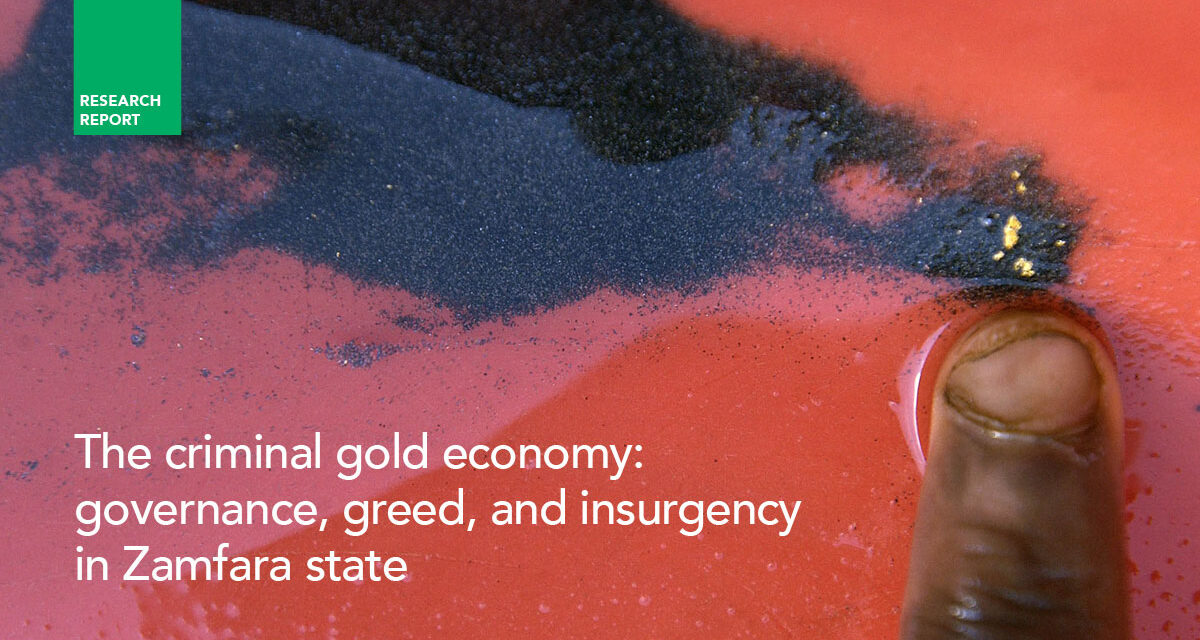
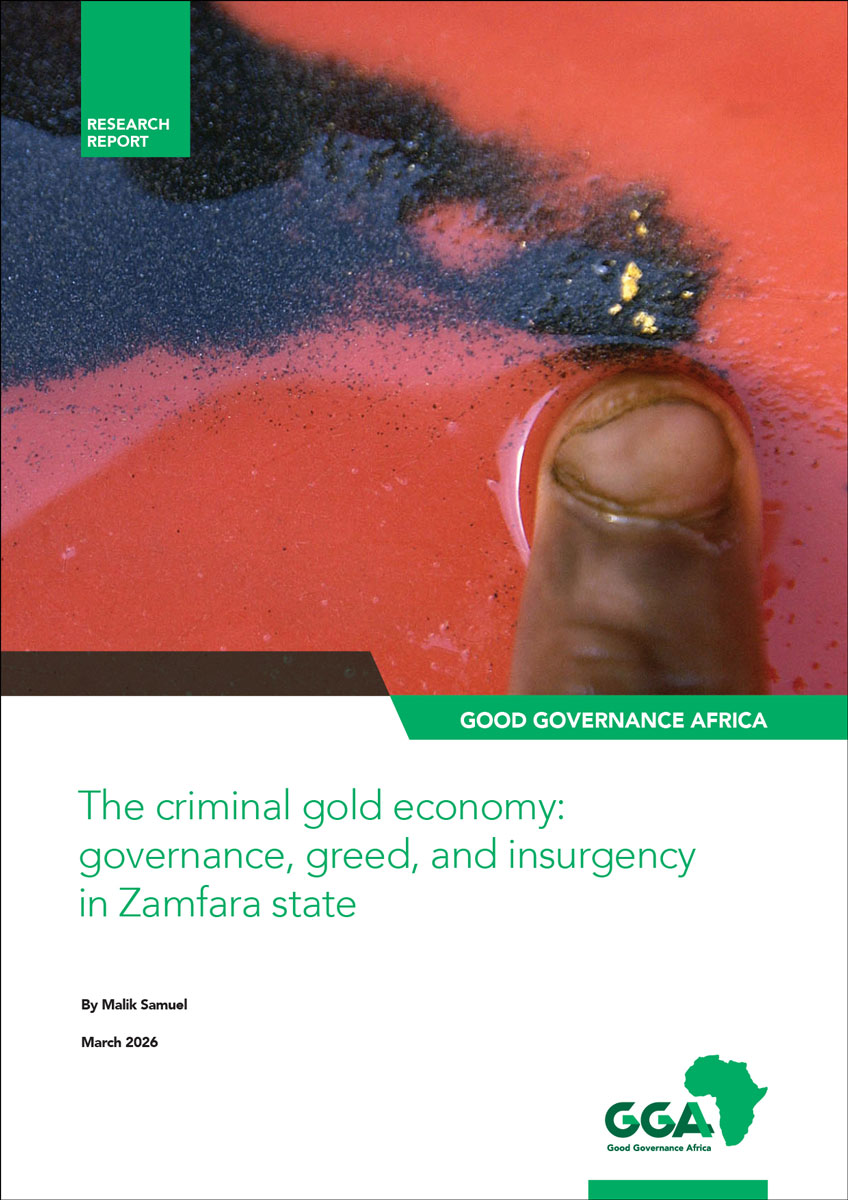
While the link between illegal mining and banditry is widely acknowledged in public discourse, there remains limited empirical analysis of how the gold economy is organised, who benefits from it, how it reshapes authority at the local level, and why state interventions have produced limited results. This report addresses these gaps by examining the governance structures, economic relationships, and coercive mechanisms that underpin mining in Zamfara.
The study situates the rise of banditry within the broader context of rural poverty, political neglect, the collapse of traditional conflict-resolution mechanisms, and the militarisation of communal self-defence. It shows that the escalation of violence and the sharp increase in fatalities coincided with the period in which armed groups began to systematically capture mining sites and convert them into revenue-generating assets.
By combining field interviews with miners, community leaders, security actors, bandit associates, government officials, and gold dealers, the report analyses the interaction between livelihood imperatives, illicit markets, and patterns of authority. It also evaluates the impact of major policy responses – including the mining ban, the no-fly zone, military operations, and dialogue initiatives – on both the conflict and the mining economy.
Through this approach, the report argues that the Zamfara crisis is best understood as a governance and political-economy challenge in which gold has become a strategic resource for violent actors, rather than merely as a law-and-order problem.

Malik Samuel is a senior researcher at Good Governance Africa-Nigeria. Before joining GGA, he was a researcher with the Institute for Security Studies, specialising in the Boko Haram conflict in the Lake Chad Basin Region. Malik also worked as a conflict researcher with Amnesty International Nigeria. He was also a Médecins Sans Frontières/Doctors Without Borders field communications manager in Northeast Nigeria. Before that, he was an investigative journalist at the Abuja-based International Centre for Investigative Reporting. Malik holds a Master's degree in Conflict, Peace, and Security from the Universitat Oberta de Catalunya and the United Nations Institute for Training and Research (UNITAR).