Escalating instability in the Middle East in light of US-Israeli strikes on Iran has shifted from a single-corridor problem into a multi-chokepoint shock. Renewed attacks on commercial shipping in the Red Sea and Gulf of Aden continue to undermine confidence in Suez-linked routing, while the sharp deterioration in Gulf security has been marked by direct strikes on merchant vessels and severe disruption risk around the Strait of Hormuz. This has sprung fresh volatility onto global energy and cargo flows.
In response, governments have taken extraordinary stabilisation measures, including a record coordinated release of emergency oil reserves, and marine war-risk pricing has surged. This reinforced a simple operational reality for carriers, which is that the shortest route is no longer the most predictable one, and that predictability is now a strategic commodity.
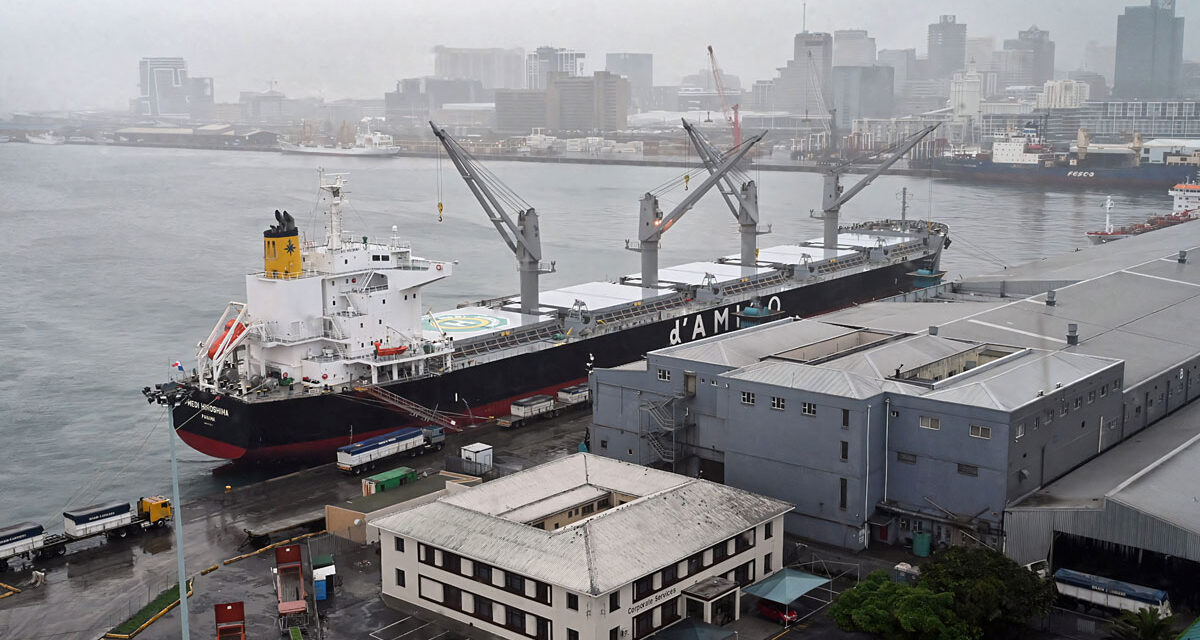
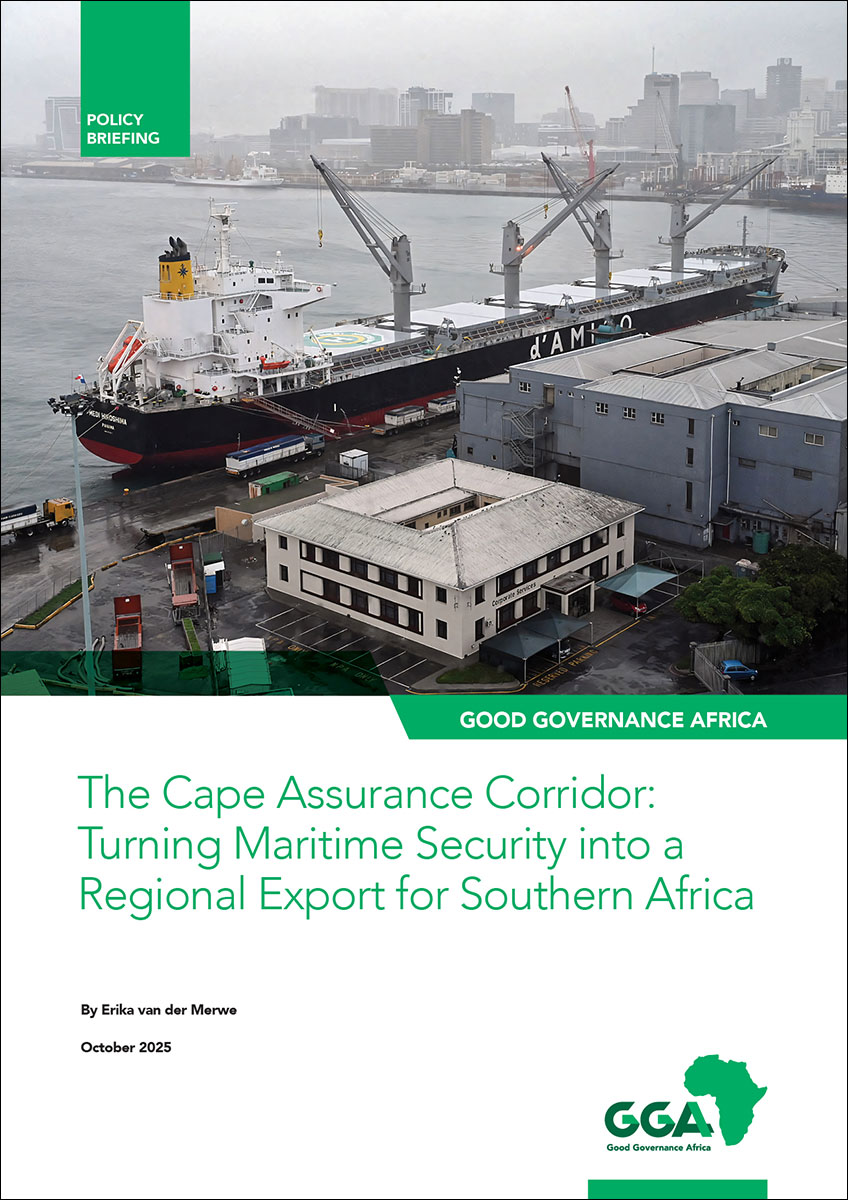
Against this backdrop, the Cape of Good Hope is not merely an alternate passage but a critical safety valve for global trade. Southern Africa can convert this demand into long-term preference by offering an exportable public good in the form of assurance: safe, predictable, and increasingly low-carbon transit that insurers can price and operators can plan around, even during periods of geopolitical disruption.
This brief proposes a SADC-led Cape Corridor Assurance Framework that integrates existing regional maritime coordination centres with national Vessel Traffic Services (VTS) feeds to produce daily risk bulletins, incident metrics, and audited port performance KPIs in formats recognised by underwriters and Protection & Indemnity (P&I) Clubs. A Clean-Corridor Compliance Code—including continuous AIS standards for high-risk calls, designated and monitored Ship-to-Ship (STS) zones, and beneficial ownership disclosure—can help deter shadow-fleet activity without penalising compliant traffic.
Subsea cable resilience should be treated as core corridor infrastructure through charted no-anchor/no-trawl areas, VTS integration, and pre-contracted rapid repair capability. Service reliability should be showcased through transparent KPI dashboards at Durban, Cape Town, and Ngqura, regularised offshore bunkering at Algoa Bay, and green-fuel bunkering at Saldanha and Walvis Bay, under strict safety and environmental protocols.
This package complements the African Continental Free Trade Area (AfCFTA) by standardising essential security and regulatory practices, while also endeavouring to respect national sovereignty through a minimum‑standards approach. In a world of geopolitical detours, the most profitable route is the one whose risks are visible, managed, and insurable. With pragmatic governance and disciplined execution, Southern Africa can make the Cape Corridor that route.

Erika van der Merwe
Erika van der Merwe is a research intern with the peace and security programme at Good Governance Africa. She is pursuing a master’s in international relations at the University of Cape Town, specialising in security studies.