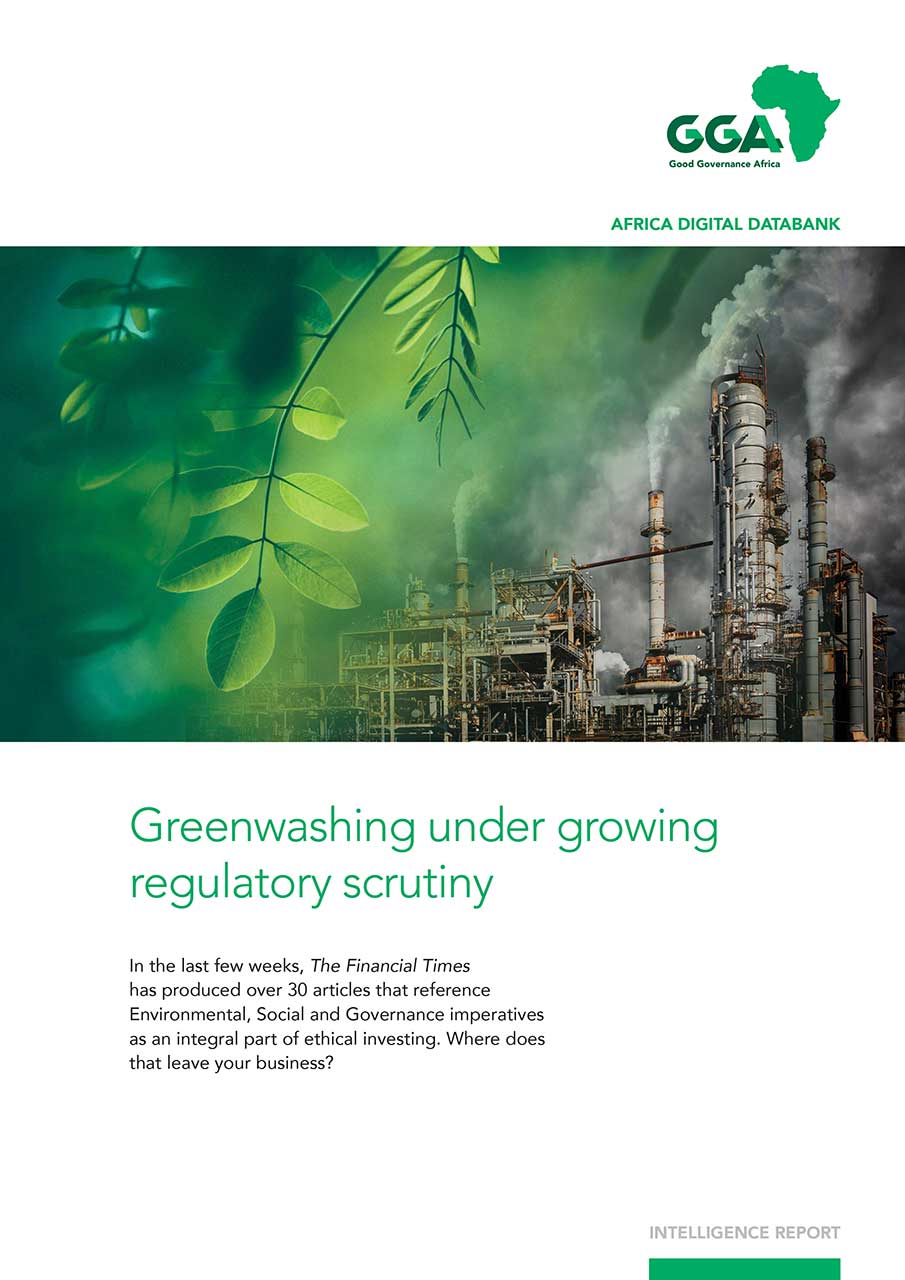
On 10 March 2021, a set of ‘green finance’ rules designed by the EU to prevent greenwashing – the act of claiming that a fund is sustainable when in reality it is working against sustainability objectives – was applied to certain financial services sector firms in the EU. These rules – known as the EU Sustainable Finance Disclosure Regulation (SFDR) – effectively categorise products as sustainable and non-sustainable. Asset management firms will be subject to rigorous disclosure requirements should they want to credibly market their funds as promoting sustainability. These rules are an attempt to regulate what is currently a disordered market, where firms are quick to employ the ESG concept for marketing purposes, but investors have no way of ascertaining whether the claimed credentials are legitimate or verifiable. In our view, this regulatory trend towards preventing concept abuse is a welcome development and will help to separate the wheat from the chaff in a world that is under immense pressure to achieve low-carbon growth. Early adopters of ESG principles – those who mainstream social and environmental responsibility into how the firm is governed – will see optimal long-run returns. Those who engage in greenwashing or are too slow to adapt will suffer long-run decline.

Busisipho Siyobiis a public policy researcher with a focus on the intersection of mineral resource governance and climate change in Southern Africa. Her research focuses on advancing the integration of Environmental, Social, and Governance (ESG) factors and social performance within the extractive industries and shaping climate change response strategies that foster sustainability. She leads a programme team in developing and executing the research strategy on mineral resource governance and climate change. She works closely with civil society, industry, and international organisations in this capacity to promote good governance, transparency, and accountability to enable sustainable investment and development. Busisipho holds a Master of Philosophy in Public Policy from the University of Cape Town.