In weakly institutionalised contexts, natural resource wealth tends to be a curse instead of a blessing. Where citizens are relatively powerless to hold ruling elites to account, resource wealth undermines development prospects.
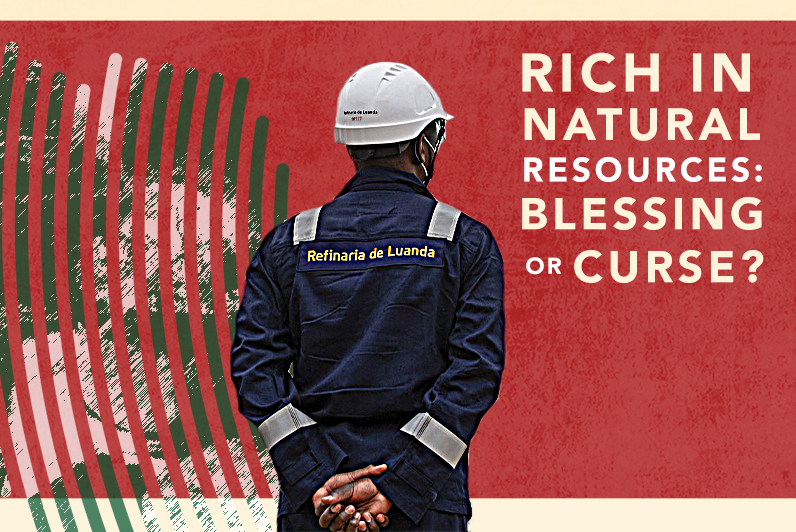


In weakly institutionalised contexts, natural resource wealth tends to be a curse instead of a blessing. Where citizens are relatively powerless to hold ruling elites to account, resource wealth undermines development prospects.
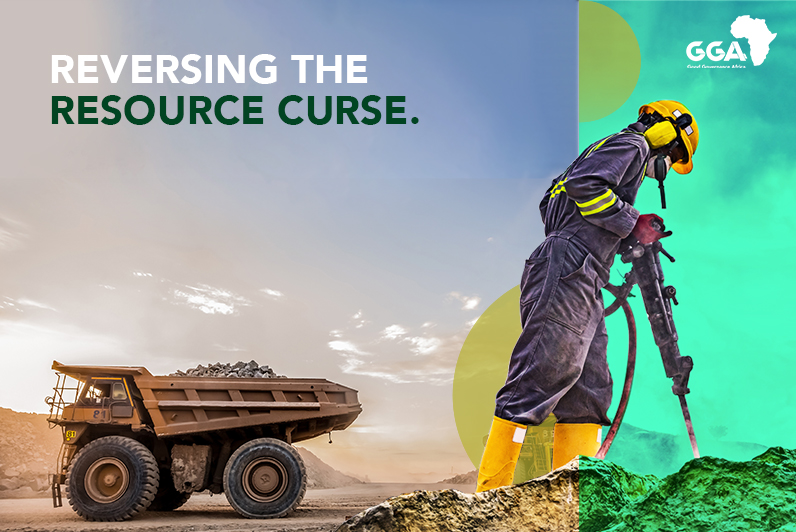
Scholar Richard Auty first coined the phrase ‘resource curse’ in 1993 to illustrate the confounding nature of the relationship between natural resource abundance and under-development. Intuitively we expect that natural resources would provide the bedrock for development. To the contrary, empirical evidence suggests a strong correlation between natural resource wealth and poor development outcomes, at least since the early 1970s.
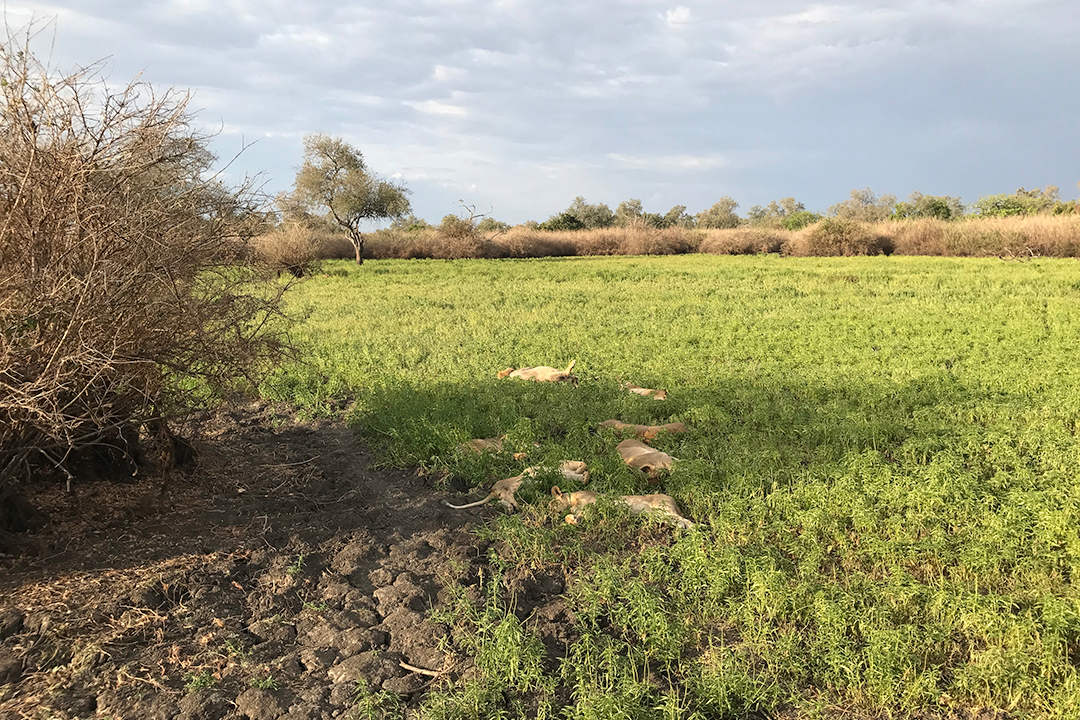
Tanzania’s Stiegler’s Gorge project is a folly that will not deliver the energy security that President Magufuli seems convinced it will.

In a historic US election, President Donald Trump was ousted from office by Joe Biden. Biden won 50.8% of the popular vote, while Trump still managed 47.5% in the largest voter turnout since 1908. The presidency of Donald Trump is widely viewed as anomalous, a...
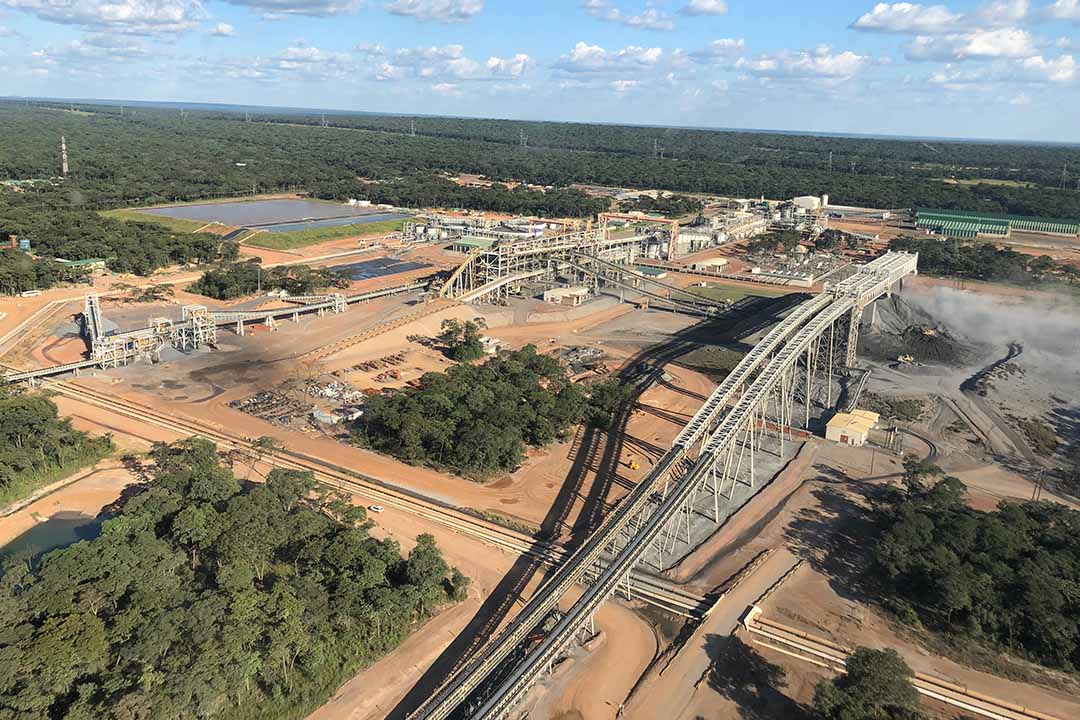
The business case for greening the extractive industry is strong, especially with the growing trend of ethical investing. Everything we consume has its origins in either agriculture or the extractive industries. Our smartphones are laden with minerals and metals. Even...
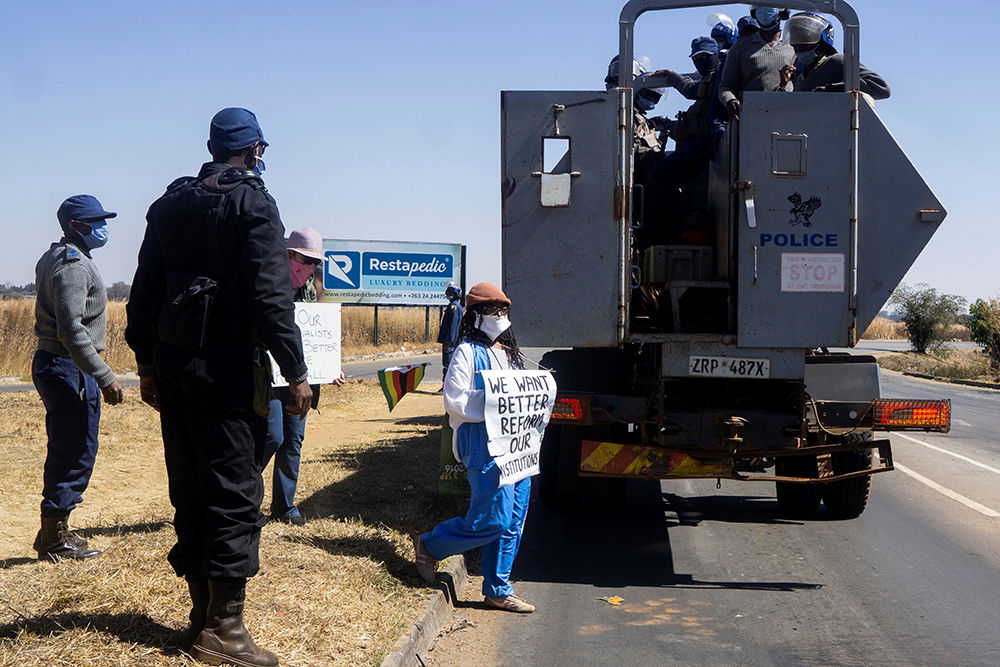
A sustained combination of internal and external pressure is required to create a genuine civilian government in Zimbabwe Ahead of planned mass protests on July 31, Zimbabwe’s state security apparatus cracked down on citizens. Largely initiated via social media, the...
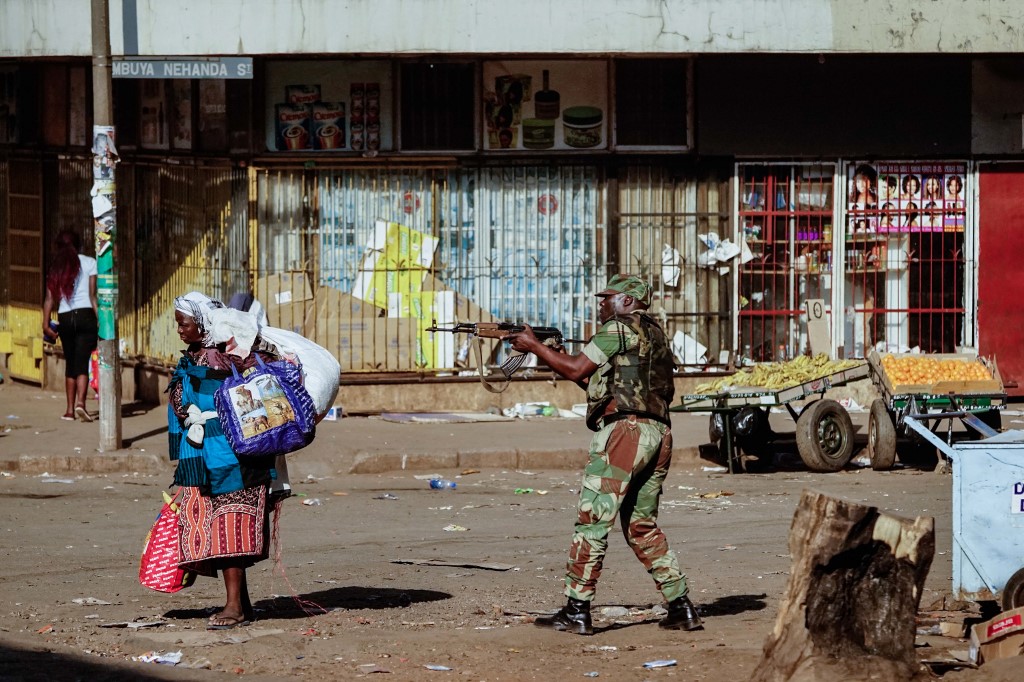
Zimbabweans are calling for an end to the predatory, rapacious and brutal military regime that has thrown their country into despair and misery Zimbabweans plan to take to the streets on 31 July to protest against state corruption. Economic conditions are dire, with...

Eleven days from now, if all goes as planned, mass demonstrations against Zimbabwe’s brutal military dictatorship will be held across the country. We have no reason to expect that the regime will respond to these expressions of frustration peacefully. In character, we...
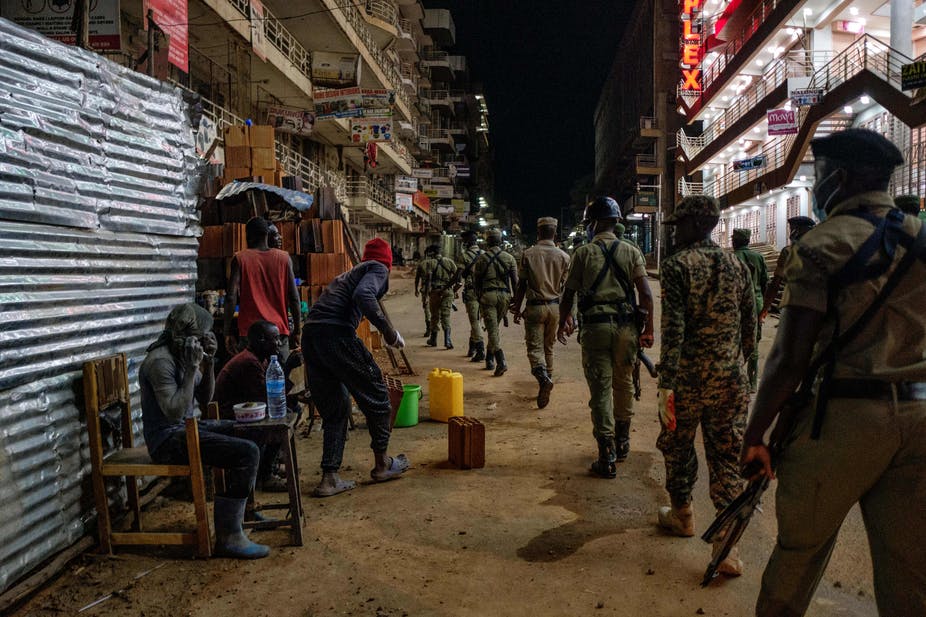
A number of Africa’s fragile democracies have become vulnerable to the sword of leaders assuming wide-ranging powers under cover of emergency responses to COVID-19. Partly for this reason, Good Governance Africa has published a set of articles that conceptualise...
Today is World Environment Day. For a brief moment in time, the world may take some time to reflect on the way in which the ecological systems that sustain us are under threat. Perhaps an inadvertent blessing of Covid-19, too, is that it has exposed deep fragilities...










In weakly institutionalised contexts, natural resource wealth tends to be a curse instead of a blessing. Where citizens are relatively powerless to hold ruling elites to account, resource wealth undermines development prospects.
Scholar Richard Auty first coined the phrase ‘resource curse’ in 1993 to illustrate the confounding nature of the relationship between natural resource abundance and under-development. Intuitively we expect that natural resources would provide the bedrock for development. To the contrary, empirical evidence suggests a strong correlation between natural resource wealth and poor development outcomes, at least since the early 1970s.
Tanzania’s Stiegler’s Gorge project is a folly that will not deliver the energy security that President Magufuli seems convinced it will.
In a historic US election, President Donald Trump was ousted from office by Joe Biden. Biden won 50.8% of the popular vote, while Trump still managed 47.5% in the largest voter turnout since 1908. The presidency of Donald Trump is widely viewed as anomalous, a...
The business case for greening the extractive industry is strong, especially with the growing trend of ethical investing. Everything we consume has its origins in either agriculture or the extractive industries. Our smartphones are laden with minerals and metals. Even...
A sustained combination of internal and external pressure is required to create a genuine civilian government in Zimbabwe Ahead of planned mass protests on July 31, Zimbabwe’s state security apparatus cracked down on citizens. Largely initiated via social media, the...
Zimbabweans are calling for an end to the predatory, rapacious and brutal military regime that has thrown their country into despair and misery Zimbabweans plan to take to the streets on 31 July to protest against state corruption. Economic conditions are dire, with...
Eleven days from now, if all goes as planned, mass demonstrations against Zimbabwe’s brutal military dictatorship will be held across the country. We have no reason to expect that the regime will respond to these expressions of frustration peacefully. In character, we...
A number of Africa’s fragile democracies have become vulnerable to the sword of leaders assuming wide-ranging powers under cover of emergency responses to COVID-19. Partly for this reason, Good Governance Africa has published a set of articles that conceptualise...
Today is World Environment Day. For a brief moment in time, the world may take some time to reflect on the way in which the ecological systems that sustain us are under threat. Perhaps an inadvertent blessing of Covid-19, too, is that it has exposed deep fragilities...