Nigeria Regional Office
Good Governance Africa Nigeria works to improve governance through research, policy engagement, and practical reform support. In Africa’s largest economy and most populous country, we focus on the governance issues that shape security, accountability, investment, public service delivery, youth participation, and natural resource management. The aim is not just to analyse problems, but to help drive workable solutions that lead to more effective institutions and better outcomes for citizens.Our Programme Pillars
From insight to action
Across all six pillars, GGA-Nigeria applies the same core approach: rigorous research, practical policy engagement, and action-oriented reform support. This allows us to respond to immediate governance challenges while also contributing to longer-term institutional change.
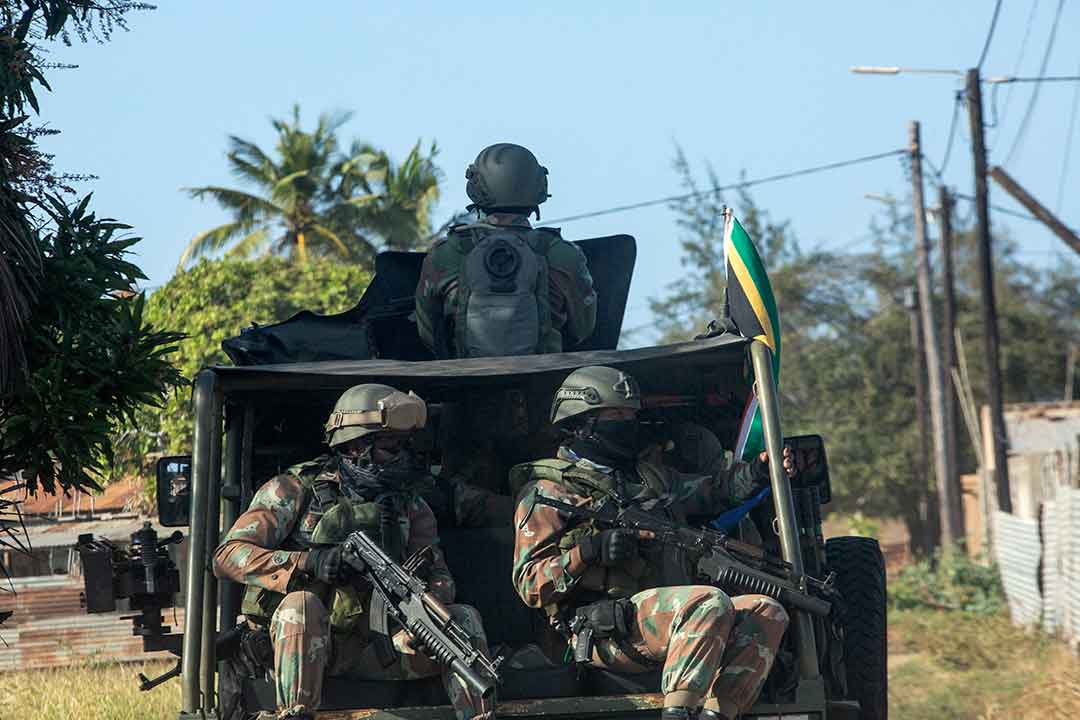
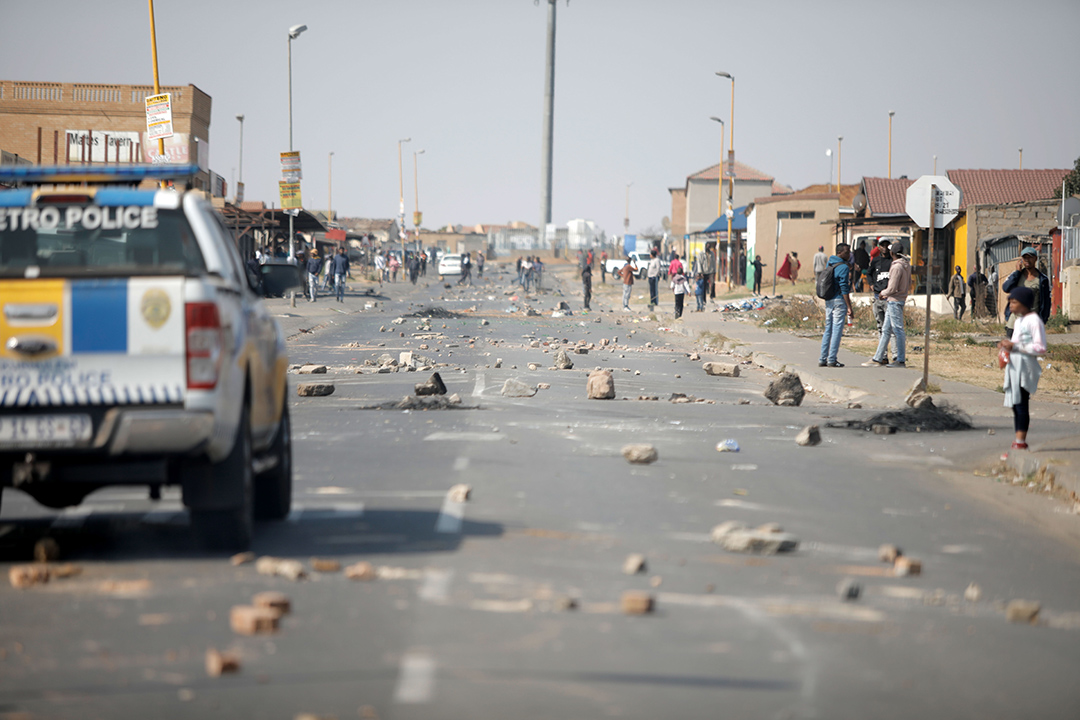
We work to strengthen governance responses to insecurity by turning research into practical solutions. Through analysis, policy engagement, and strategic dialogue, we support efforts to prevent conflict, build peace, and improve security sector governance. Our goal is safer communities, protected rights, and stronger public trust in the state.

Explore Our Work
Browse our latest reports, insights, and commentary to see how GGA-Nigeria is contributing to evidence-based governance reform.
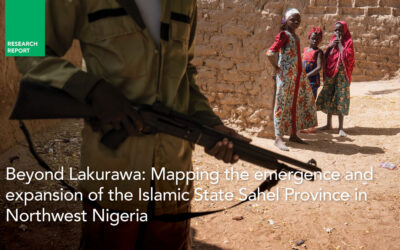
Beyond Lakurawa: Mapping the emergence and expansion of the Islamic State Sahel Province in Northwest Nigeria
The emergence of the Islamic State Sahel Province (ISSP) in Northwest Nigeria marks a significant escalation in the country’s evolving security landscape. While public discourse has frequently...

Abu Bilal al-Minuki: How IS fighters are tearing ISWAP apart from within
One thing the Islamic State West Africa Province (ISWAP) has successfully done since its Boko Haram split has been to remain obedient and loyal to the Islamic State (IS). Though IS does not impose...
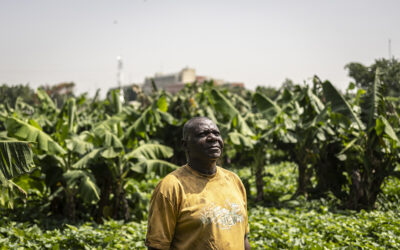
Global shock, local pain: What the Strait of Hormuz disruption means for food security in Nigeria
The de facto closure of the Strait of Hormuz following the US-Israeli attack on Iran has unleashed a global fertiliser supply shock that is intensifying food insecurity in Nigeria. According to the...
Beyond Lakurawa: Mapping the emergence and expansion of the Islamic State Sahel Province in Northwest Nigeria
The emergence of the Islamic State Sahel Province (ISSP) in Northwest Nigeria marks a significant escalation in the country’s evolving security landscape. While public discourse has frequently...
Abu Bilal al-Minuki: How IS fighters are tearing ISWAP apart from within
One thing the Islamic State West Africa Province (ISWAP) has successfully done since its Boko Haram split has been to remain obedient and loyal to the Islamic State (IS). Though IS does not impose...
Global shock, local pain: What the Strait of Hormuz disruption means for food security in Nigeria
The de facto closure of the Strait of Hormuz following the US-Israeli attack on Iran has unleashed a global fertiliser supply shock that is intensifying food insecurity in Nigeria. According to the...
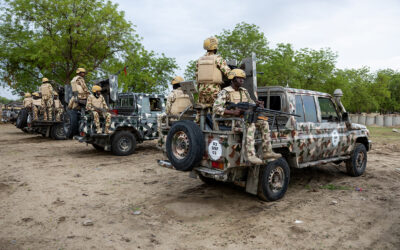
The al-Minuki raid raises questions about Nigeria-US military ties
The fight against the Islamic State in Africa received a major boost with the announcement that one of the most influential terror commanders on the continent was killed over the weekend in Borno...
GGA Nigeria
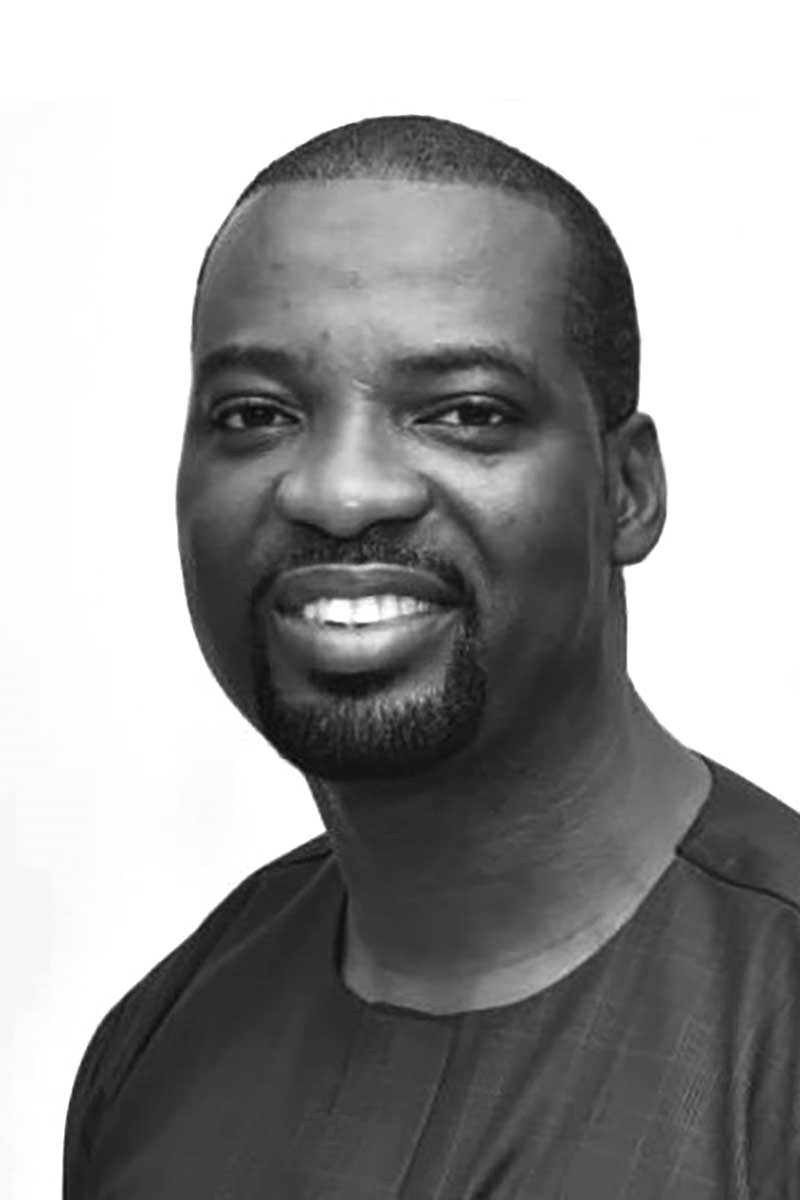
Dr Ola Bello
GGA Executive Directors
Oladiran (Ola) Bello obtained both his MPhil and PhD degrees in International Relations from the University of Cambridge and also holds a First Class BSc degree from the Obafemi Awolowo University, Ile-Ife. He has worked for organisations including the United Nations (New York) and Management Systems International (Washington DC), Merchant International Group (London) and Arthur Andersen (later KPMG). Dr Ola Bello has more than 10 years of experience in research and policy advisory, including on governance and extractive sector reform; sustainable development; and international development cooperation (including in EU-Africa relations). He spent three years with FRIDE (Spain) managing a donor-funded programme on the EU’s role in managing fragility and resource governance in select African countries. In 2012-2015, he was Head, Governance of Africa’s Resource Programme (GARP) at the South African Institute of International Affairs (SAIIA) and also functioned as head of SAIIA’s Cape Town office. Ola is spearheading GGA's technical support to Nigerian reform, including delivering ethics training for senior Nigerian judicial officers and change-makers (2017-2019). He's also working to expand GGA's role as in-country resource centre for multilateral consultative missions to Nigeria's ministries and parastatals. These missions include the UNECA/AU mineral sector governance team.
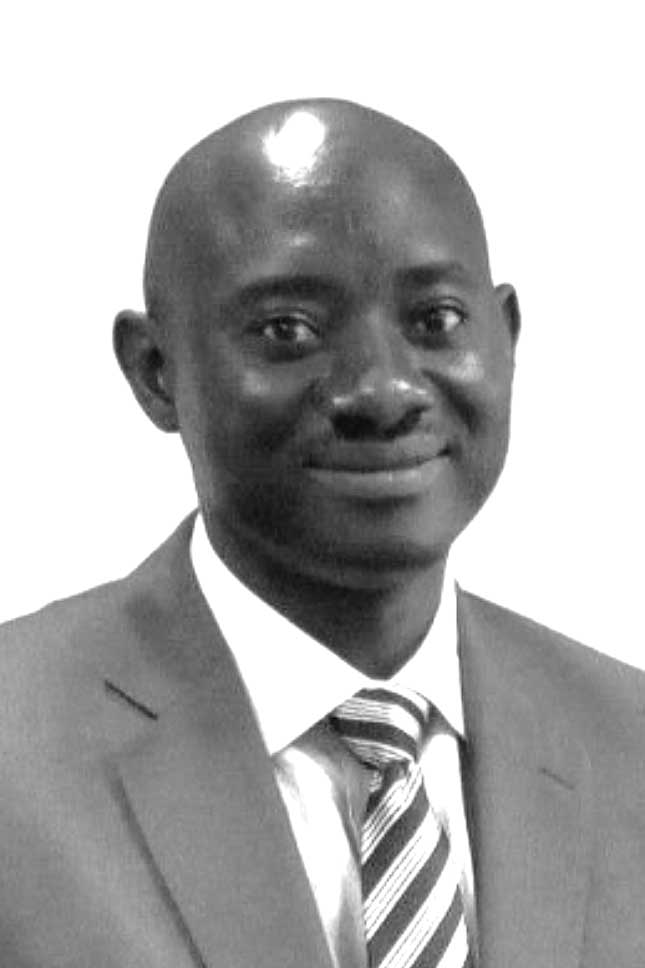
Fisayo Alo
Author
Fisayo Alo is a Senior Researcher at Good Governance Africa Nigeria where he coordinates and supports research efforts. Fisayo has fifteen years of experience working in the development consulting, research, quality control, and community engagement. His interests include citizen participation in governance, policy analysis, economic development, and sustainable community development. Fisayo holds a Master’s degree in Public Administration (University of Lagos), a Post Graduate Diploma (PDG) in Agricultural Extension and Rural Development (Federal University of Agriculture, Abeokuta), a Certificate in Ethical Circular Economy (Arizona State University), and a B Sc. degree in Microbiology from Obafemi Awolowo University (OAU). He has managed a number of development projects and agricultural value chain studies for International donor agencies, such as USAID, FCDO, Bill and Melinda Gates Foundation and GTZ.
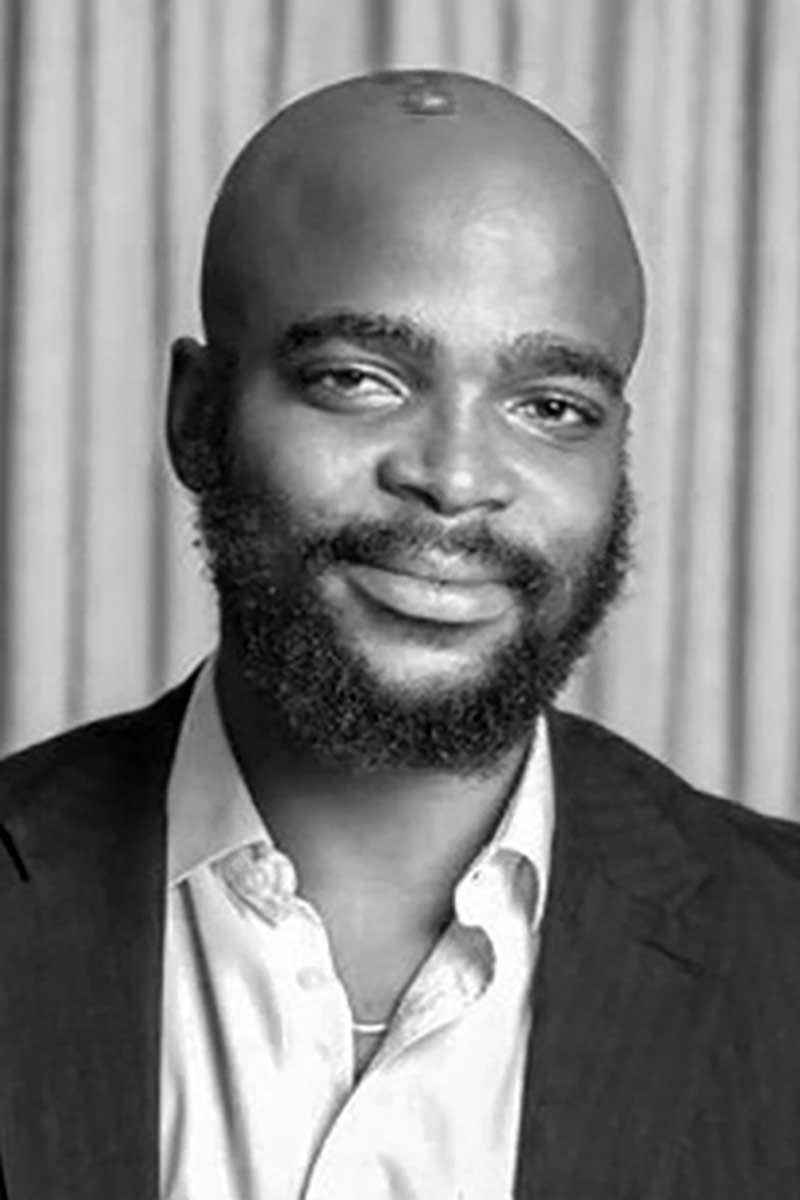
Eniayo Ibirogba
Author
Eniayo Ibirogba is a law graduate from the University of Buckingham, United Kingdom. Before studying law he got a degree in international law and diplomacy from Babcock university, Ogun state, Nigeria. His core interests are policy advisory, community development and human rights.

Julia Bello-Schunemann
Author
Dr Julia Bello-Schünemann is a multilingual research consultant. She is versed in integrated forecasting across sectors (including demographics, infrastructure, economics, conflict and violence, etc.), trend and risk analysis, data analysis, policy advice for governments and international organisations. Her expertise straddles Africa, Latin America, the Caribbean, and the European Union. She possesses vast experience in project management, fundraising, strategic planning, multi-stakeholder consultations, training and facilitation. She is currently an Associate Senior Research Consultant with Good Governance Africa-Nigeria. She holds a PhD in International Relations from the Complutense University Madrid, Spain and an MA in Communication, Political Science and Economics from Ludwig-Maximilians-University, Munich in Germany.
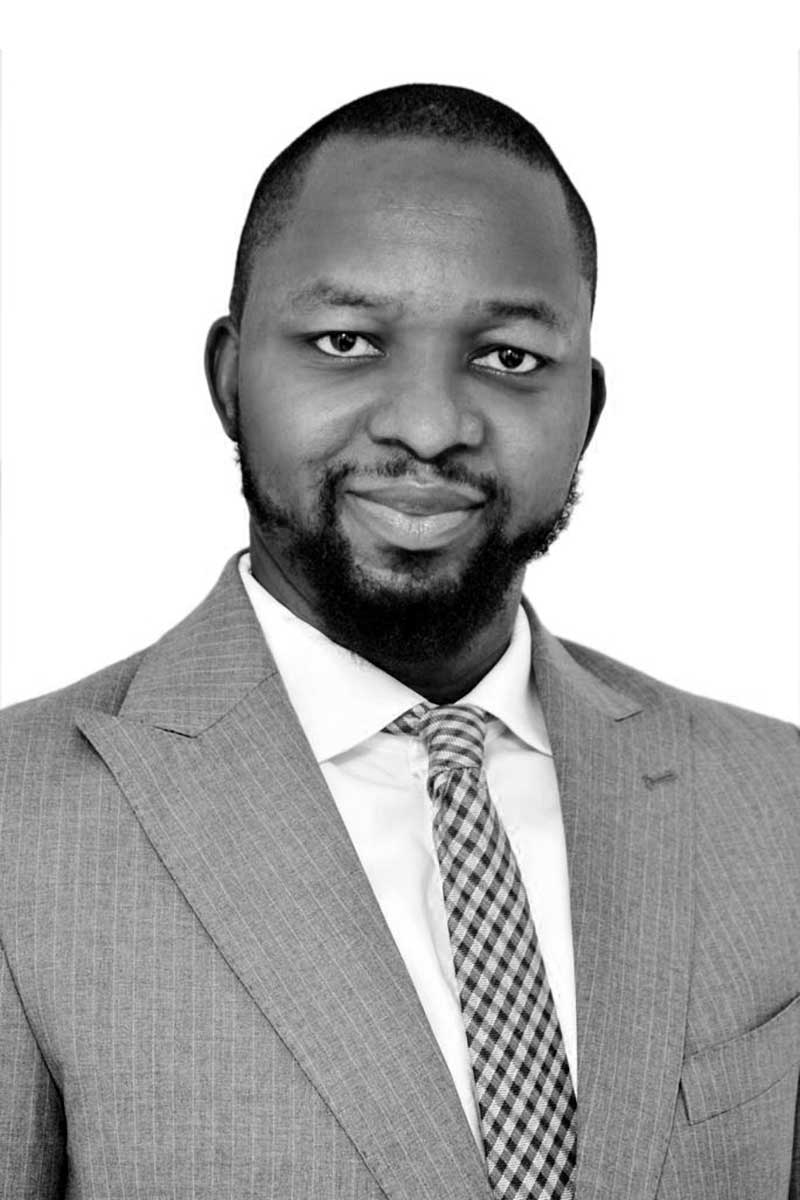
Mark Adogah
GGA Chairmen
Mr Mark Adogah was appointed Chairman GGA-Nigeria in 2021. Mark is a Director at Citibank Nigeria’s Banking, Capital Markets and Advisory (BCMA) business. He is responsible for driving and supervising Citi Nigeria’s strategy for multinational Branded Consumer Goods, Aviation and Oil Services clients. He has been involved in several landmark lending and financing transactions in the industry. Mark has over 23 years’ experience in the areas of financial statements audit and assurance, business advisory and corporate and investment banking. He started his career with Arthur Andersen in Nigeria (now KPMG Professional Services) and worked in the Corporate Bank of Zenith Bank Plc and the Corporate Finance desk of FCMB Capital Markets Limited before joining Citibank. He has been in a senior management role since joining Citibank as an Assistant General Manager in October 2008. He is a Fellow of the Association of Chartered Certified Accountants (ACCA), a member of The Institute of Chartered Accountants of Nigeria (ICAN) and The Chartered Institutes of Bankers of Nigeria (CIBN). Mark holds a BSc (Hons) degree in Accounting and a Master's degree focused in Finance and Investments from the University of Exeter, United Kingdom. Mark has extensive local and international training on leadership, negotiation, derivatives, risk management, advanced credit skills and other areas of accounting, finance and banking. He is happily married with children.
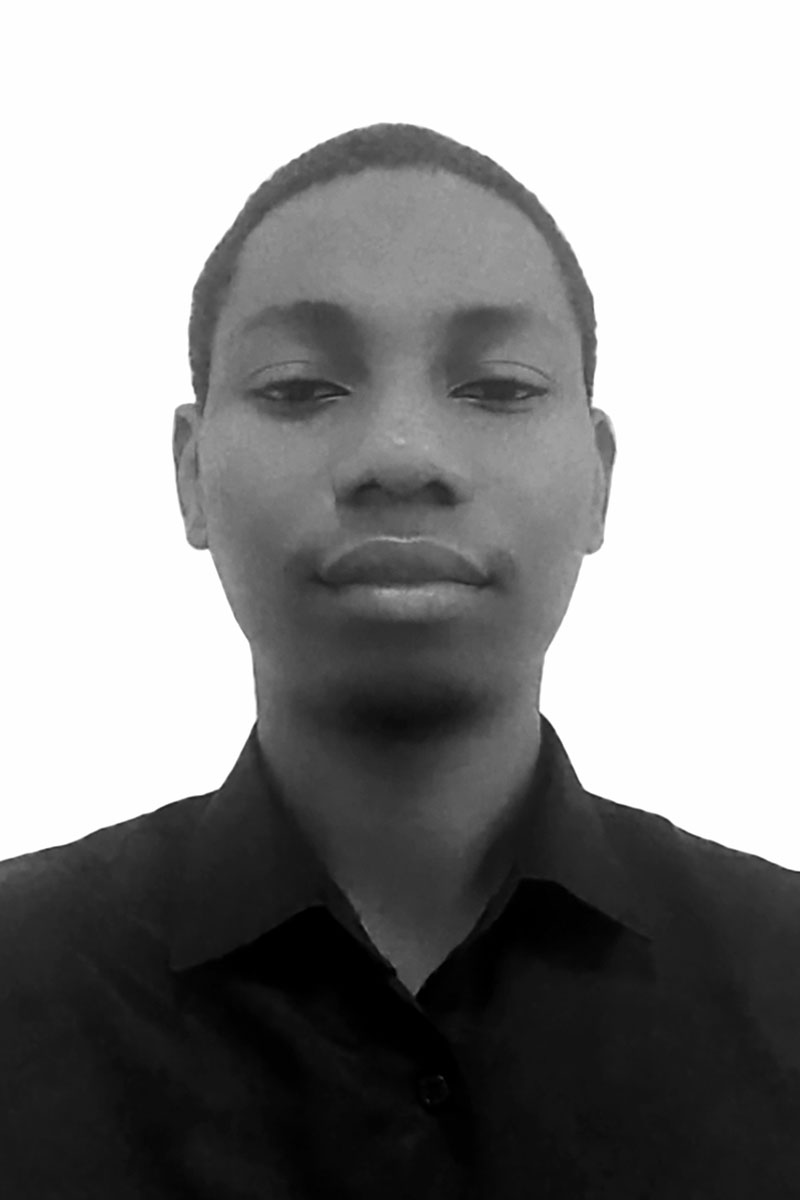
Kabir Hassan
Author
Kabir Hassan is a researcher at Good Governance Africa-Nigeria. He holds a Bachelor of Science in Transport Planning and Policy from Lagos State University, Nigeria. His research focuses on sustainable transport development and planning, with a strong interest in policies that promote equitable and efficient mobility systems. Kabir is actively involved in community development work, especially youth capacity-building initiatives and youth civic engagements. He has been part of notable transport-related projects through his roles at the Lagos Metropolitan Area Transport Authority (LAMATA) and TSL Metroline Limited, where he was involved in road transport network operations and survey analysis.
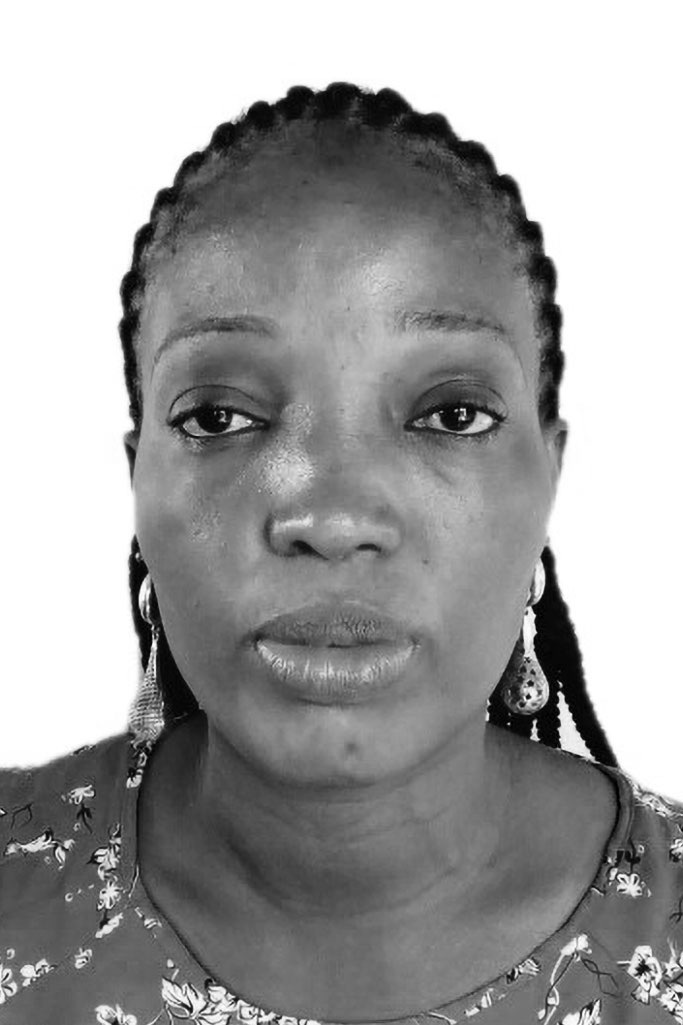
Lawal Asiata
Author
Lawal Asiata is currently the office manager and project coordinator for GGA Nigeria. She has worked as a librarian and personal assistant in both private and government parastatals. Asiata holds a bachelor's degree in Library, Archival and Information Studies from University of Ibadan, Nigeria. Her hobbies include reading and travelling.
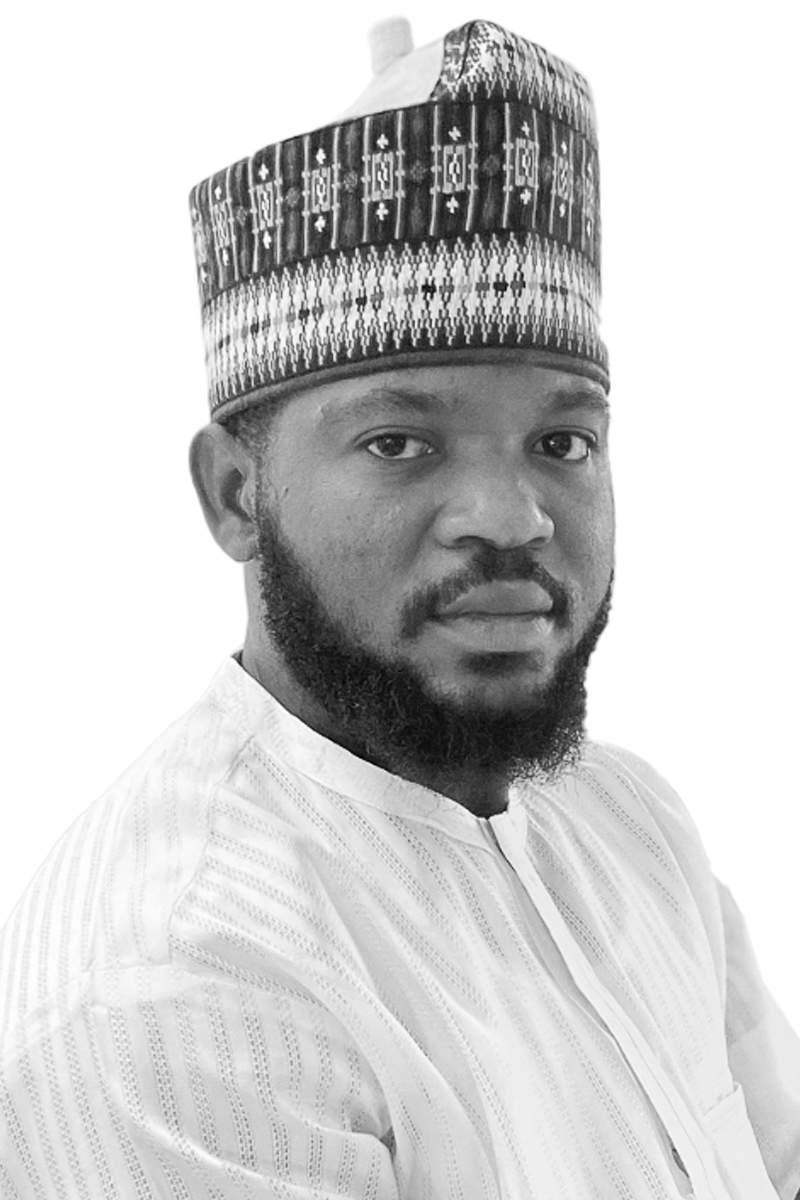
Malik Samuel
Author
Malik Samuel is a senior researcher at Good Governance Africa-Nigeria. Before joining GGA, he was a researcher with the Institute for Security Studies, specialising in the Boko Haram conflict in the Lake Chad Basin Region. Malik also worked as a conflict researcher with Amnesty International Nigeria. He was also a Médecins Sans Frontières/Doctors Without Borders field communications manager in Northeast Nigeria. Before that, he was an investigative journalist at the Abuja-based International Centre for Investigative Reporting. Malik holds a Master's degree in Conflict, Peace, and Security from the Universitat Oberta de Catalunya and the United Nations Institute for Training and Research (UNITAR).

Adejumo Kabir Adeniyi
Author
Adejumo Kabir Adeniyi is a senior researcher at Good Governance Africa-Nigeria. He is an expert with many years of experience in community development work and governance accountability sector. Before joining GGA, Adejumo worked at Premium Times and HumAngle Media, two of Nigeria’s biggest newspapers specialising on conflict and accountability reporting. His work has featured on esteemed local and international platforms, including Zam magazine, El Pais, IJNet, Premium Times, HumAngle Media and TheCable among others. He is a 2019 recipient of the Diamond Awards for Media Excellence, a 2020 recipient of the Thomson Foundation Young Journalist Award in the United Kingdom, and a 2021 recipient of NAREP Oil and Gas Fellowship.
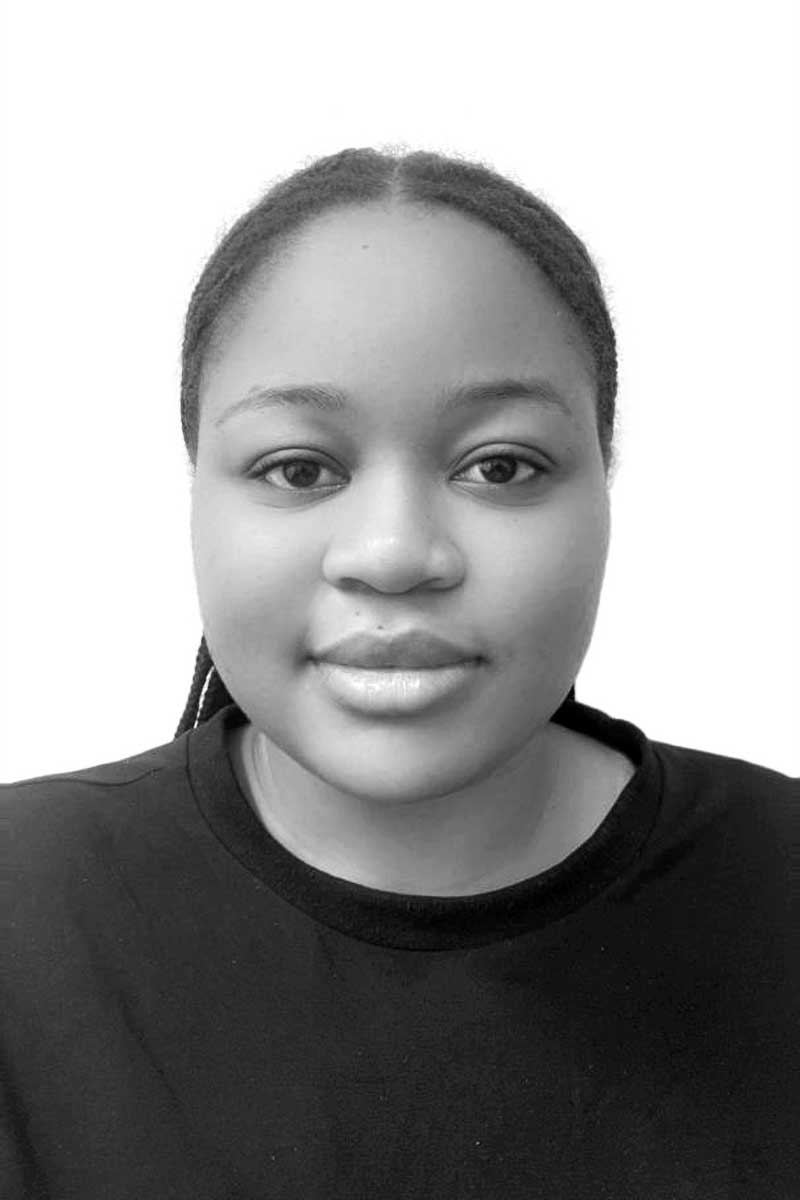
Mariam Hassan
Author
Mariam Hassan is a researcher at Good Governance Africa-Nigeria. She is a graduate of Public Health from Babcock University, Nigeria. Mariam has contributed to health interventions through her engagements at Action Health Incorporated, where she supported adolescent health programmes, and at the Youth Clinic of Lagos State University Teaching Hospital, where she gained hands-on experience in youth-centred healthcare services. She is passionate about creating positive change in communities through research and advocacy, and also supports capacity-building initiatives that specifically target women and young people.
Contact Us
GGA-suite (G-12), Regus, The Waterside, 5 Admiralty Rd, off Admiralty way, Lekki Phase 1, Lagos, Nigeria
Email: info.nigeria@gga.org
Tel: +234 1 4627411-3