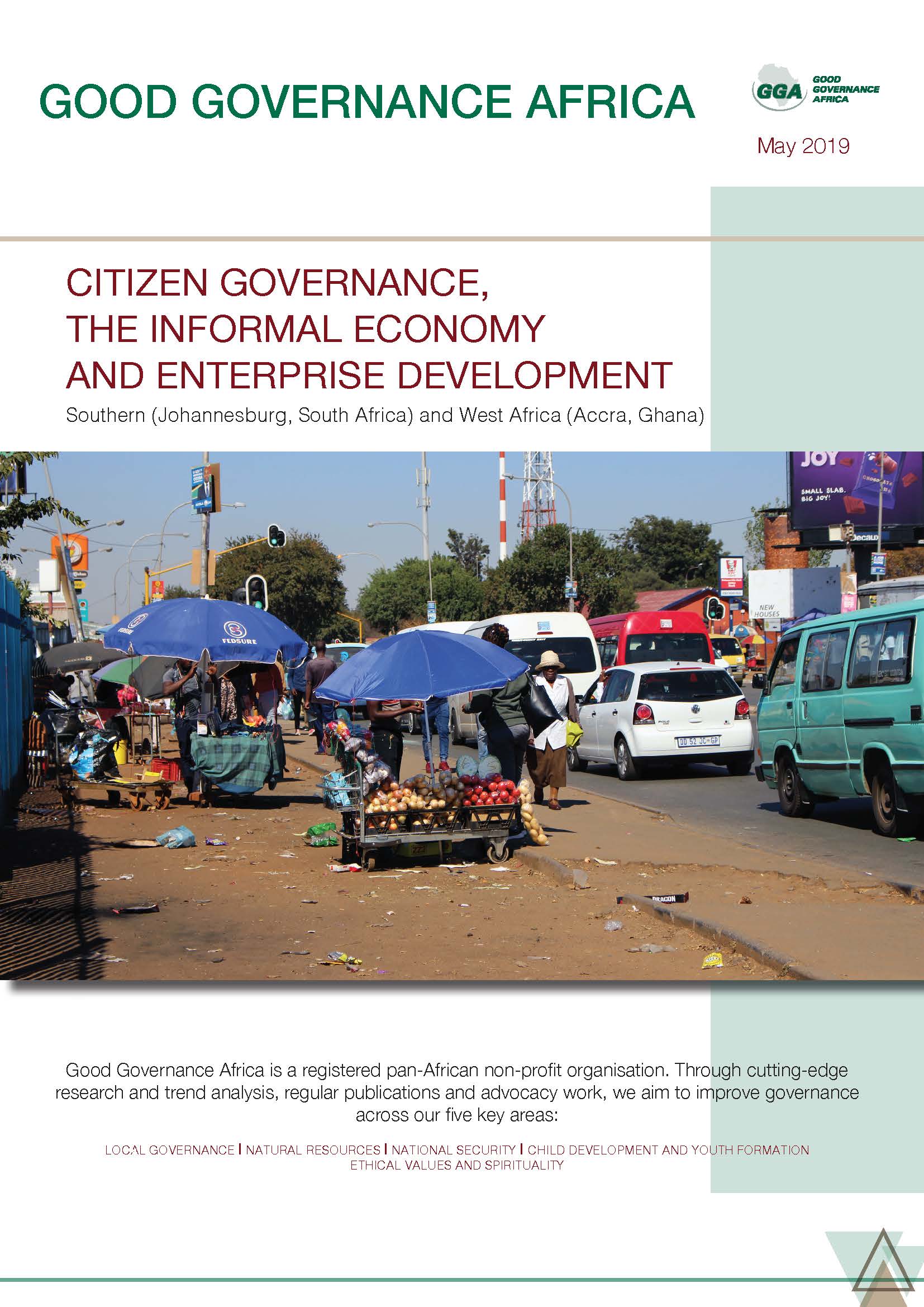
 The informal economy accounts for 35.2% of total non-agricultural employment in South Africa, according to the World Bank Development Indicators (2018); and in Ghana, about 88 % of the workforce is employed in the informal sector. Economic and social factors often influence participation in the employment sector.
In South Africa and Ghana, disparate socio-economic factors might necessitate participation in occupations considered to be “less desirable”. This study investigated the dynamics of the informal economy through a survey of informal traders in densely populated regions of Johannesburg and Accra, with an emphasis on citizen governance, enterprise development and livelihoods.
The latest figures show unemployment in South Africa and Ghana stand at 27.6% and 6.7% respectively; for sub-Saharan African countries the unemployment rate is 6.1%. While unemployment is low in Ghana relative to South Africa, informal-sector employment is higher there compared to South Africa.
The needs of informal workers are likely to vary depending on geographic location as well as social and economic factors. Nevertheless, a good start would be to ensure that the regulatory environment, basic social protections and urban infrastructure are supportive. This research is envisioned to contribute to policy development, backed by effective implementation, to improve livelihoods in the informal economy. The study also seeks to support a bottom-up multidisciplinary movement of actors in support of the informal economy.
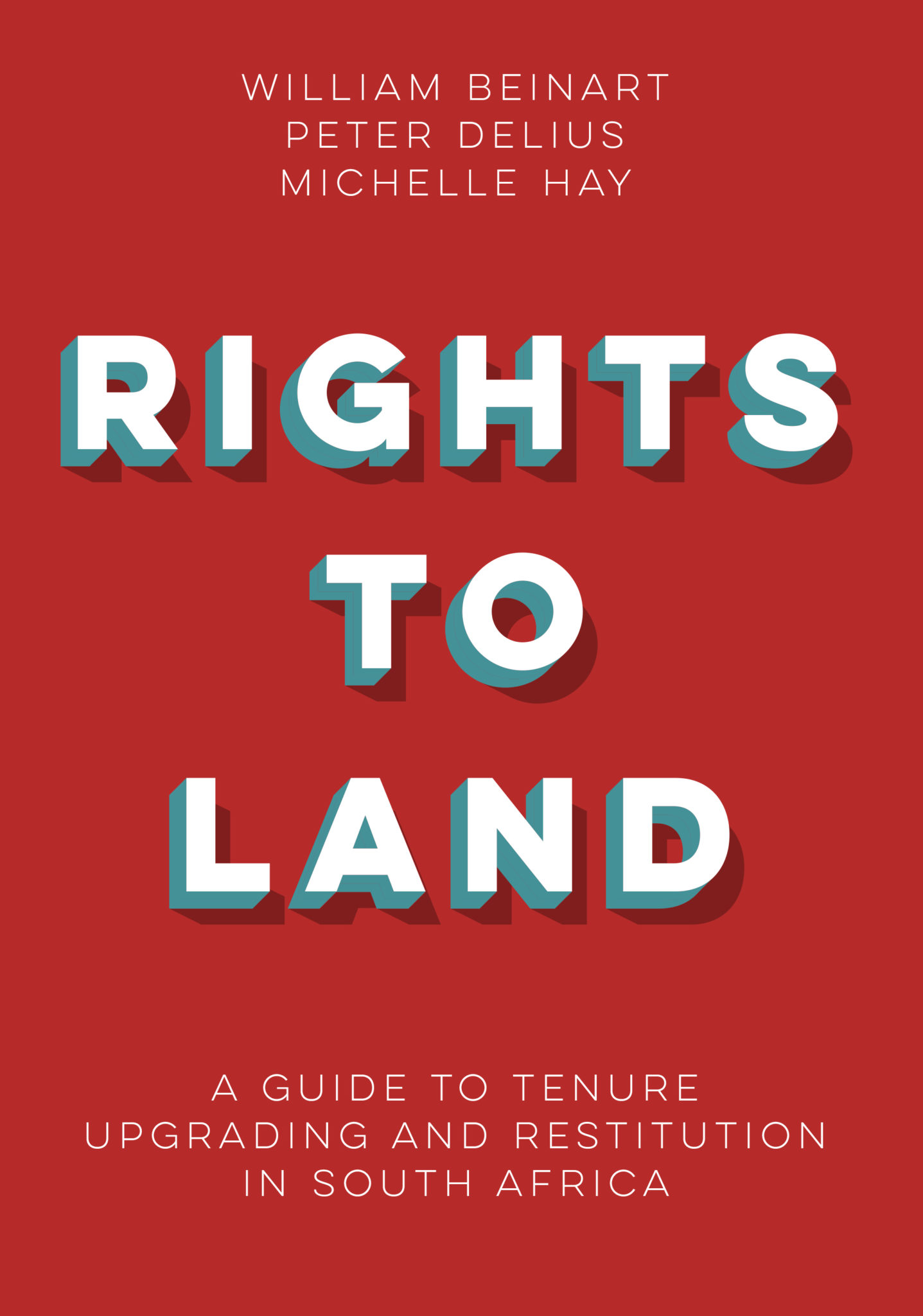
You can click on the image to download the full PDF or do so here.

Chrissy Dube is an executive at Good Governance Africa (GGA) and a member of the Business Ethics Network (BEN) — Africa Networking Council. An advanced project manager with deep implementation, monitoring and evaluation expertise, she also specialises in strengthening stakeholder relations to drive business development. She uses her skills and expertise to provide innovative solutions and recommendations for sustainable development across the public and private sectors.
Chrissy combines rigorous data-led analysis with strategic insight to design practical, evidence-based solutions and policy recommendations that enable informed decision-making. Her core strengths include advocacy, business risk management, stakeholder collaboration and strategic alignment as an implementing partner — consistently enabling organisations to translate strategy into measurable results.
She holds an MA (Commerce) from the University of KwaZulu-Natal and has completed professional qualifications in Data Analysis, Advanced Project Management and Advanced Risk Management at the University of Cape Town. She is also certified as an Ethics Officer for the private and public sectors through Stellenbosch University.