This profile of Maputo is part of the African Cities Profiling Project, which aims to enhance the understanding of individual cities across the continent. With Africa’s rapid urbanisation, cities face significant challenges, including the growth of informal settlements and deficiencies in service delivery. Addressing these requires a comprehensive understanding of city dynamics and the factors influencing them.
The report supports local authorities by providing comparative data to facilitate learning from peers and incentivise improvements in underperforming areas. It assists national governments in regulating and supporting local authorities and, for citizens, offers accessible information on the developmental context of their cities, fostering transparency and engagement.
By profiling multiple cities using standardised measures, the project enables stakeholders – local authorities, national governments, and citizens – to compare cities, identify best practices, and foster mutual learning. This comparative approach supports evidence-based decision-making and promotes improved governance, ultimately addressing urban challenges such as informal settlement growth and service delivery deficiencies.
Comparative data for 10 SADC cities has been collated: Bulawayo and Harare (Zimbabwe), Cape Town and Johannesburg (South Africa), Dar es Salaam (Tanzania), Lilongwe (Malawi), Luanda (Angola), Lusaka and Ndola (Zambia) and Maputo (Mozambique). Seven of these are primary cities in their respective countries. Two secondary cities are included (Bulawayo and Ndola) to allow comparisons with their primary counterparts. Cape Town is included as a comparator with Johannesburg.
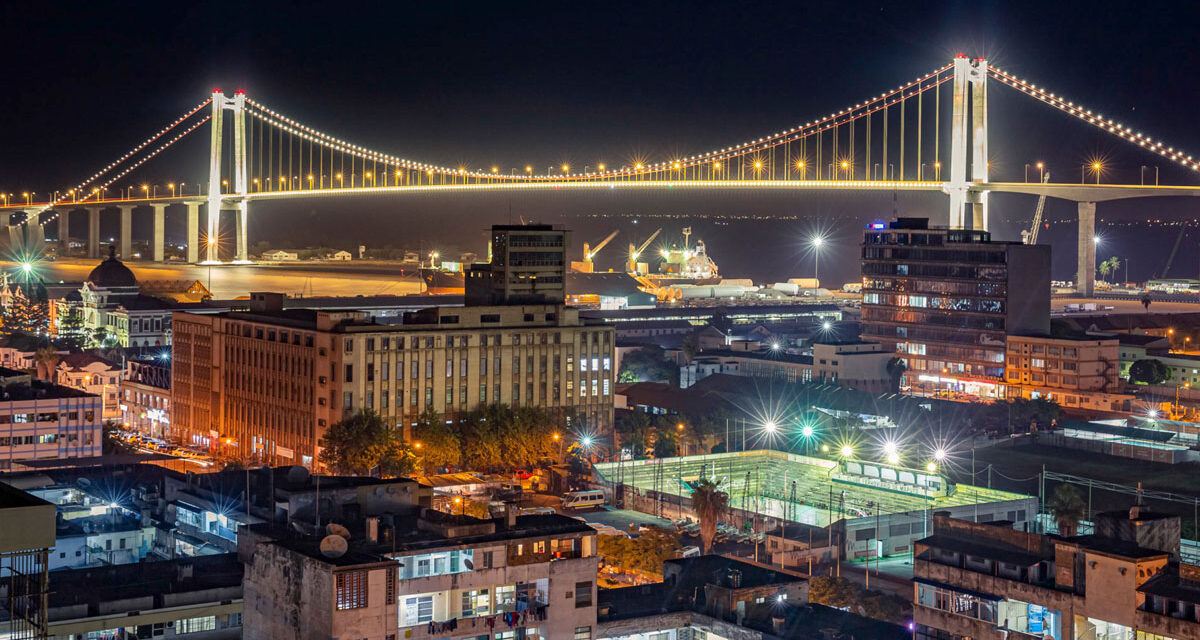
The emphasis of the research is on cities as functional urban areas rather than administrative areas. Therefore, in studying Maputo, the report encompasses the multiple municipalities that make up the Maputo metropolitan area.