Africa’s cities are growing fast, but not always in ways that are easy to manage. Rapid urbanisation continues to place pressure on infrastructure, service delivery and governance systems, often exposing gaps that are difficult to see at a single-city level.
This report brings those patterns into focus.
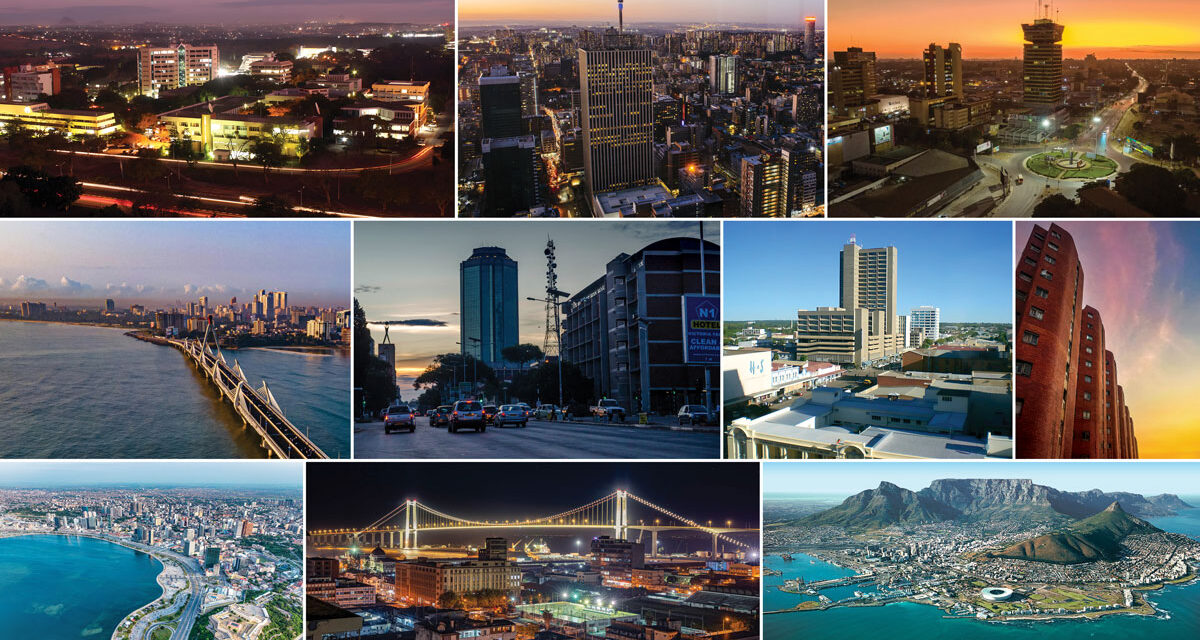
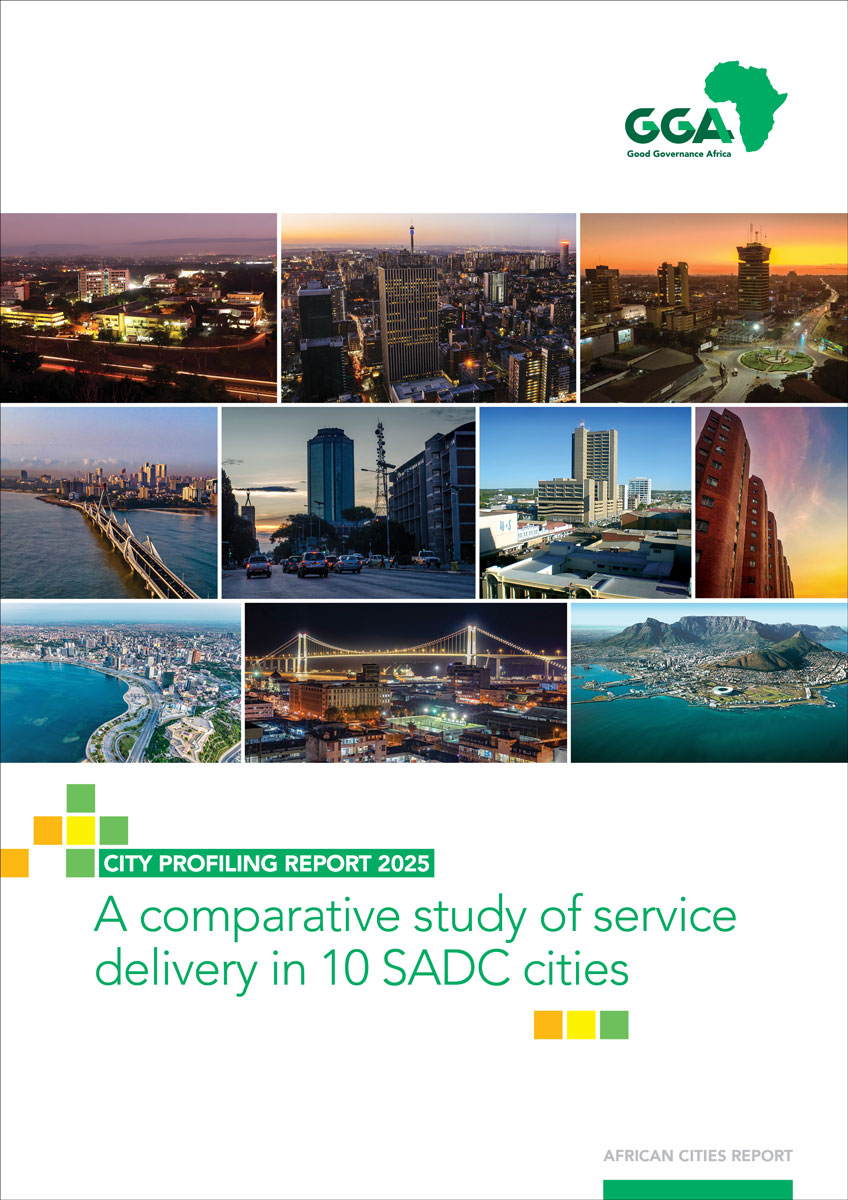
Drawing on data from 10 cities across the SADC region, the African Cities Profiling Report Series synthesis report provides a comparative view of how cities are performing across key areas including service delivery, governance, infrastructure, and local government finance.
By placing cities side by side, the report highlights relative progress across urban sectors, where challenges persist, and where practical lessons can be drawn. It is designed as a tool for policymakers, practitioners and development partners looking for a clearer, evidence-based understanding of urban development across the region.
What the report covers:
- A comparative analysis of 10 major and secondary cities across Southern Africa
- Insights into social services and infrastructure-intensive services, including water, sanitation, energy, roads and passenger transport
- An assessment of governance and institutional performance at the city level
- A breakdown of municipal finance, including revenue and expenditure patterns
- Environmental pressures and their implications for urban sustainability
What stands out is the variation. Cities facing similar pressures are performing very differently, particularly when it comes to institutional capacity and the ability to deliver services consistently. These differences point to practical opportunities for peer learning and more targeted policy responses.
The report is part of a broader effort to build a standardised, data-driven view of African cities, enabling more informed decision-making and stronger accountability across all levels of government.
If you are working in urban development, governance, or infrastructure, this is a useful reference point for understanding where cities stand today and where the pressure points are likely to emerge next.