
Busisipho Siyobi
Busisipho Siyobi is a public policy researcher with a focus on the intersection of mineral resource governance and climate change in Southern Africa. Her research focuses on advancing the integration of Environmental, Social, and Governance (ESG) factors and social performance within the extractive industries and shaping climate change response strategies that foster sustainability. She leads a programme team in developing and executing the research strategy on mineral resource governance and climate change. She works closely with civil society, industry, and international organisations in this capacity to promote good governance, transparency, and accountability to enable sustainable investment and development. Busisipho holds a Master of Philosophy in Public Policy from the University of Cape Town.
The daily grind of dangerous work

The daily grind of dangerous work

The United Nations Children’s Fund (UNICEF) has reported, with the International Labour Organisation (ILO), that in 2020, 160 million children were subjected to child labour globally. Child labour remains a critical issue in the world today. The ILO defines child...

100 years of Eskom: How did we get here? 

100 years of Eskom: How did we get here? 

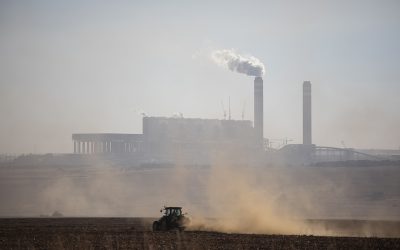
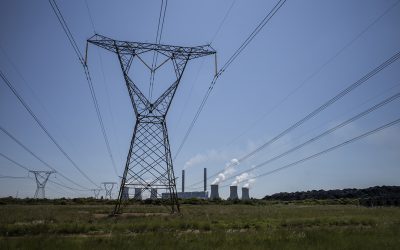
July 2022 marked the height of Eskom’s key dysfunctions, and once again brought South Africa's state-owned electricity utility to the centre of national governance debates. For the second time since 2019, South Africans experienced Stage 6 “load shedding”. “Load...
Unpacking the Shell court judgment

Unpacking the Shell court judgment

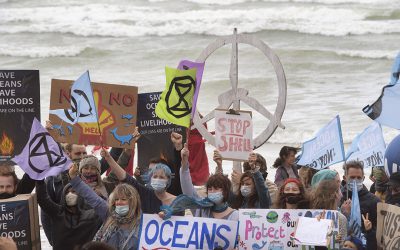
As 2021 drew to a close, environmental and human rights organisations including Border Deep Sea Association, Kei Mouth Ski Boat Club, Natural Justice and Greenpeace Africa, filed an urgent interim interdict in the Makhanda High Court of South Africa to prevent the...

Copper is king – Zambia stands to win

Copper is king – Zambia stands to win

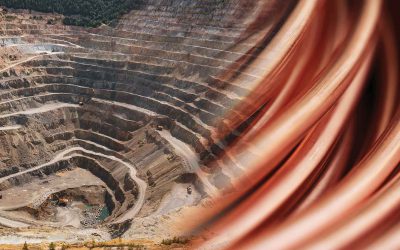
​The copper price is booming. Experts are divided over whether this boom is structural rather than cyclical. It is our considered view, in light of the current evidence, that copper prices will continue to climb due to medium to long-term supply deficits and the...

Measuring up: where is ESG performance in extractives?

Measuring up: where is ESG performance in extractives?

Over the last five years, a growing global movement has made considerable efforts to address key issues related to environmental, social and governance (ESG) factors in various industries. Historically, ESG considerations have been ignored because unethical firms...

Greenwashing under growing regulatory scrutiny

Greenwashing under growing regulatory scrutiny

On 10 March 2021, a set of ‘green finance’ rules designed by the EU to prevent greenwashing – the act of claiming that a fund is sustainable when in reality it is working against sustainability objectives – was applied to certain financial services sector firms in the...

Busisipho Siyobi
Busisipho Siyobi is a public policy researcher with a focus on the intersection of mineral resource governance and climate change in Southern Africa. Her research focuses on advancing the integration of Environmental, Social, and Governance (ESG) factors and social performance within the extractive industries and shaping climate change response strategies that foster sustainability. She leads a programme team in developing and executing the research strategy on mineral resource governance and climate change. She works closely with civil society, industry, and international organisations in this capacity to promote good governance, transparency, and accountability to enable sustainable investment and development. Busisipho holds a Master of Philosophy in Public Policy from the University of Cape Town.
The daily grind of dangerous work

The daily grind of dangerous work

The United Nations Children’s Fund (UNICEF) has reported, with the International Labour Organisation (ILO), that in 2020, 160 million children were subjected to child labour globally. Child labour remains a critical issue in the world today. The ILO defines child...